Halimatu Ginsau
Stakeholders have urged Nigeria to utilize 60% of its underutilized arable land to address the country’s current food security challenges effectively.
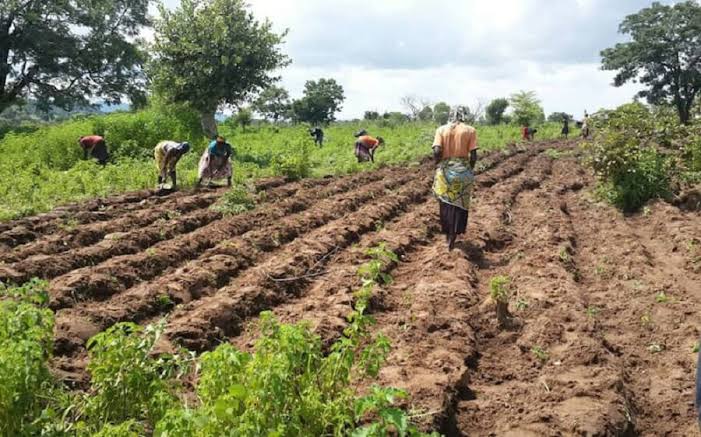
Currently, only 40% of Nigeria’s arable land is being cultivated, which stakeholders argue may be insufficient to solve the pressing food security issues. They emphasized that expanding the cultivated area could provide a meaningful solution.
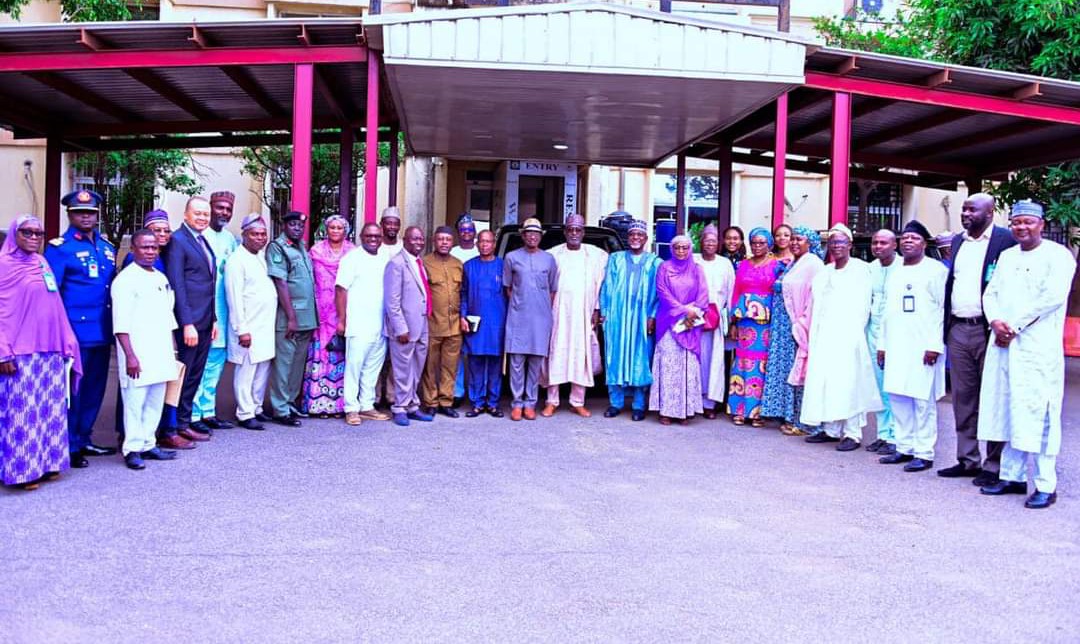
Speaking at a Policy Dialogue Series on Sustainable Economic Development in Nigeria at the National Institute for Policy and Strategic Studies (NIPSS) in Kuru, Plateau State, Tope Fasua, Special Adviser to the President on Economic Affairs (Office of the Vice President), stated that putting more arable land into productive use would enhance agricultural output, alleviate poverty, and ensure food security.
Fasua reviewed existing policies designed to address economic challenges, including consumer credit policies, poverty alleviation programs, and food program initiatives within the agricultural sector.
“We have only cultivated about 40% of our arable land, and by capacitating the agricultural sector and utilizing the remaining per cent, more people can get into farming,” he said. “This will ensure availability of food for local consumption and export because many countries need our agricultural produce and also generally attack the food/poverty problem.”
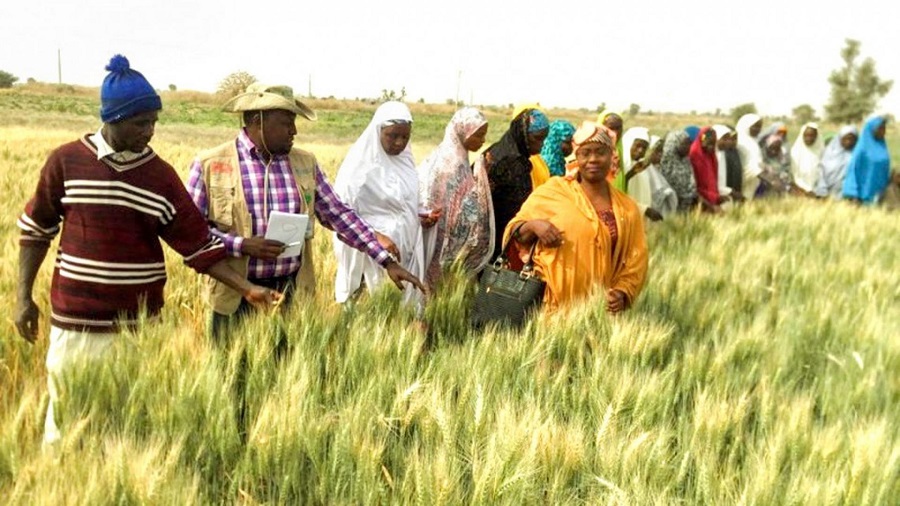
He further highlighted Nigeria’s favorable agricultural conditions, particularly in the 19 northern states, calling them “the food basket of the nation.” “A lot of crops grow there, like sesame, sorghum, ginger, soybeans, cassava, and yam, among others. We do not have enough of these crops, and Nigeria has them abundantly,” he noted.
Markus Wauschkuhn, Cluster Coordinator of the Sustainable Economic Development Cluster (SEDEC) at GIZ Nigeria, reaffirmed their commitment to promoting sustainable economic development. He noted that GIZ Nigeria’s SEDEC focuses on fostering employment and income generation while supporting policy implementation.