By Muhammad Shamsuddeen Abubakar
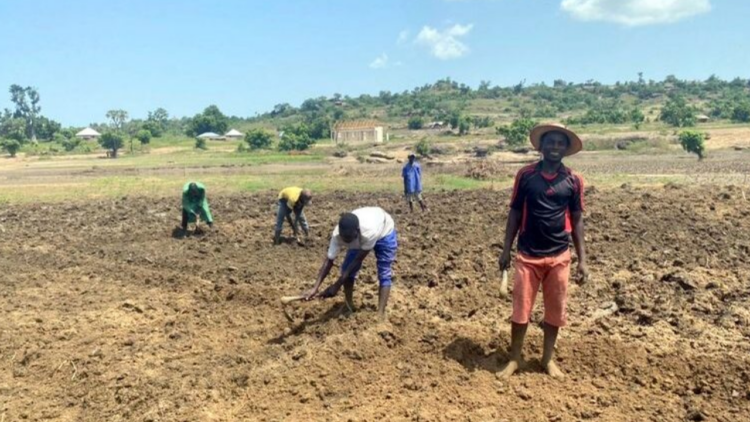
As the 2025 planting season kicks off following rainfall in many parts of the country, farmers—especially smallholder and subsistence farmers—are facing mounting challenges.
Insecurity, erratic weather patterns, escalating prices of farm inputs, and a low government budget allocation to the agricultural sector are severely affecting food production and worsening Nigeria’s food security crisis.
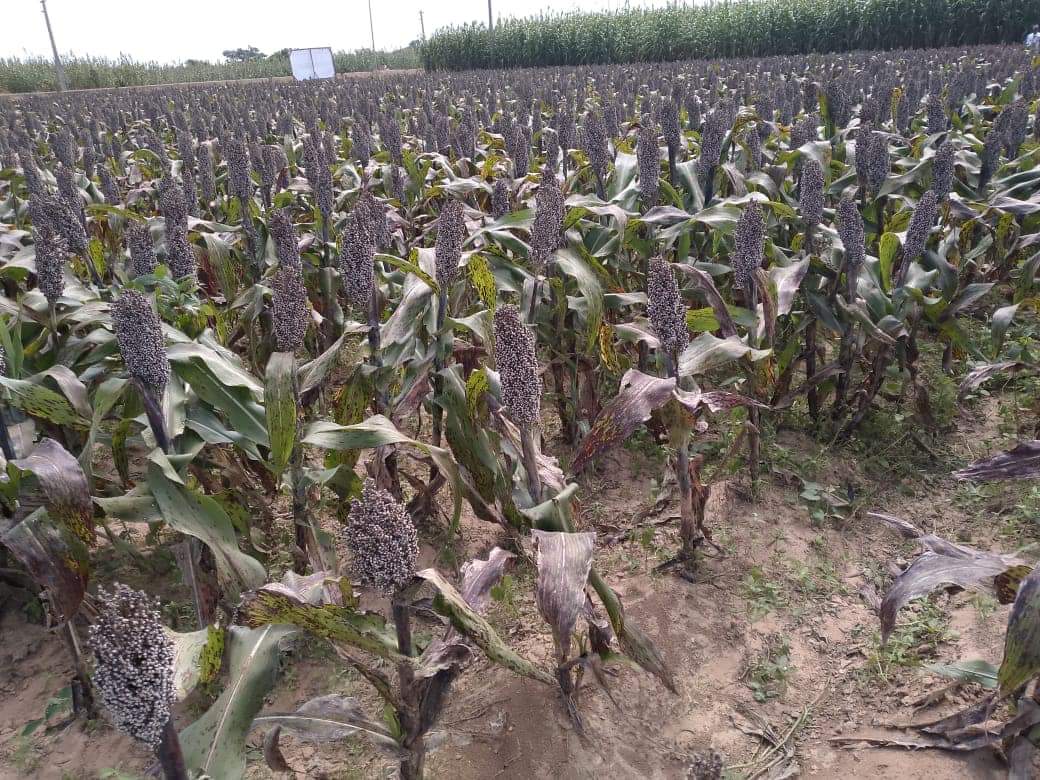
In an interview, Shamsu Kabiru Aliyu, a farmer in Kiru Local Government Area, said: “I believe the main challenges for farmers today are insecurity, disease outbreak, and high cost of fertilizer.”
Violence by Boko Haram, bandits, kidnappers, and ongoing clashes between herders and farmers continues to destabilize rural areas. In states like Katsina, Borno, Jos, Zamfara, and Benue, these conflicts have forced large swathes of farmland out of cultivation. A study by Addaudu et al. (2015) found that rising insecurity reduced crop and livestock outputs by 0.21% and 0.31%, respectively.
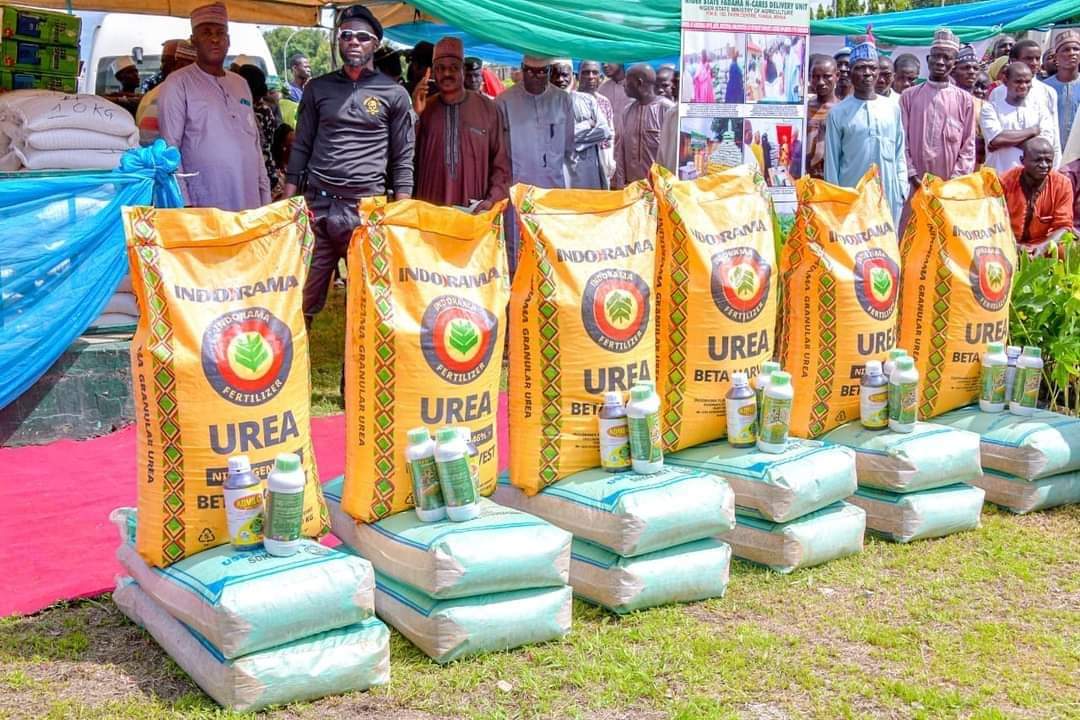
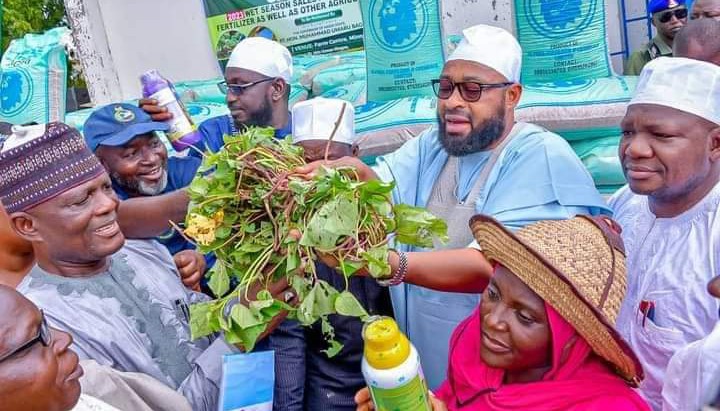
In addition, soaring input costs are putting further pressure on farmers. A recent survey by Farmers Voice NG revealed that the price of a bag of fertilizer rose from ₦45,000 in 2024 to ₦50,000 in 2025. Pesticides, seeds, fuel, and transport costs have also remained unaffordable for many.
Poor road infrastructure in rural areas and the lack of modern farming equipment further limit productivity. Despite an increase in the federal government’s 2025 agricultural budget to ₦826.5 billion from ₦362.94 billion in 2024, the allocation still represents only 1.7% of the total national budget—far below the 10% commitment set under the Maputo Declaration.
To address the situation, Aliyu added: “An early warning should also be given to farmers about disease outbreaks. And government at all levels should devise necessary mechanisms to alleviate those challenges so that the nation could achieve food security and make farming lucrative to all farmers in the nation.”