CITAD, ActionAid Empower Abuja Farmers With Skills On Organic Farming Practices

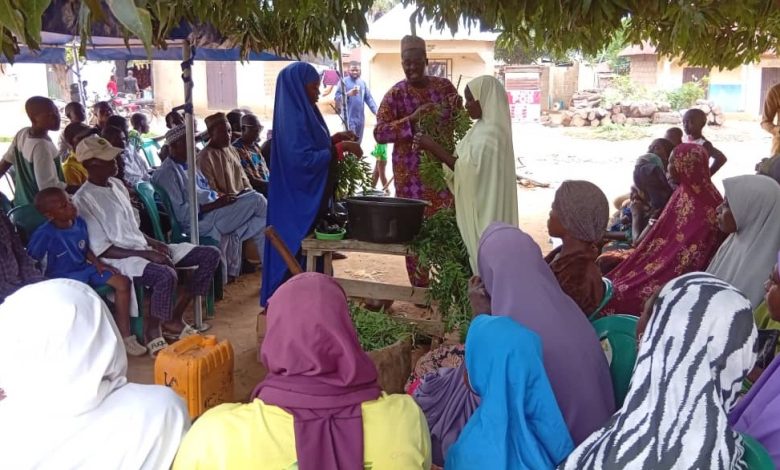
The Centre for Information Technology and Development (CITAD), in collaboration with ActionAid Nigeria, organized a four-day agroecology training for farmers in the Federal Capital Territory (FCT), focusing on organic and sustainable farming techniques.
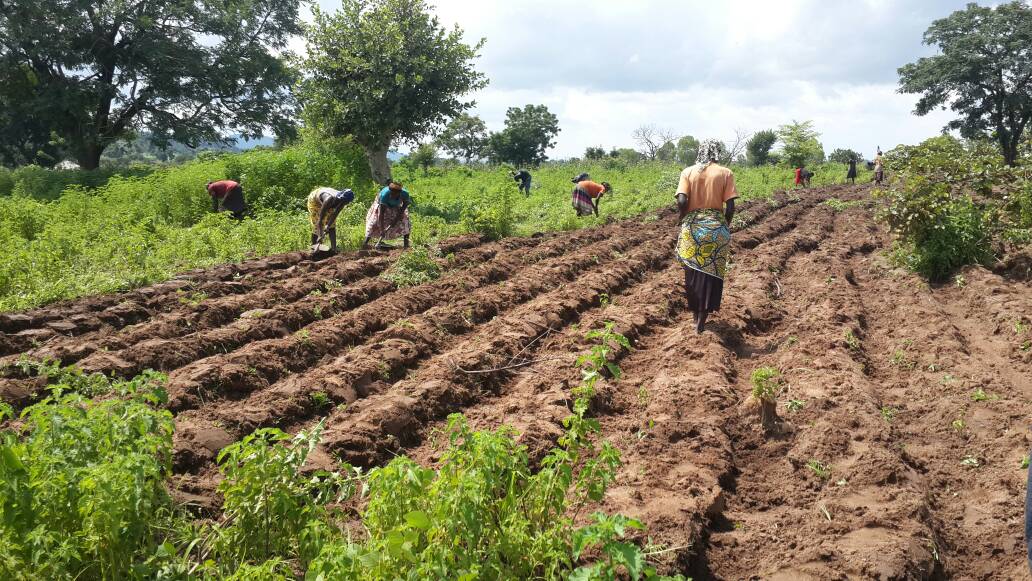
Held from June 17 to 20, the training involved 200 farmers from Pasepa and Kuchibuyi communities in Bwari Area Council, introducing them to alternatives to chemical fertilizers and pesticides.
CITAD’s Sponsorship Officer, Johnson Maichibi Musa, said the initiative aimed to deepen understanding of agroecology and shift local farmers toward less harmful methods.
“We understand that local farming practices encourage excessive use of chemicals, which have adverse effects on people’s health. The project has recorded significant success, with some farmers reporting improvements after applying agroecological methods,” he said.
Musa noted that similar trainings had taken place in other area councils.
“The training is part of a larger effort to promote sustainable agriculture practices in the FCT. The project has trained farmers in various area councils, including Kwali, Gwagwalada, AMAC and Bwari communities,” he said.
He added: “The objectives of the training are to facilitate a systemic understanding of agroecology among 200 farmers in Bwari Area Council of the FCT and to help farmers understand how to implement agroecological practices on their farmland.
“We also want to help the farmers evaluate the impacts of their choices on the economic, social and environmental dimensions of the farm and to create awareness on the possibilities and impacts of the set of agroecological practices available. We will also ensure farmers in FCT rural communities are linked to ADP and SWOFON.
“100 farmers were trained in Pasepa community from the 17th to 18th June and 100 in Kuchibuyi from 19th to 20th June, 2025. The training was successful, with the community members soliciting that the training should be done quarterly or twice in a year for them to be able to master agroecology very well.”
Abdullahi Baba, a facilitator from the Agricultural Development Project (ADP), said climate change and certain farming practices have affected agriculture in the FCT.
“The activities of the farmers on their own farms, such as deforestation and the use of chemical fertilizers, affect soil structure and fertility,” he said.
He described agroecology as “nothing but traditional farming” and outlined the training content:
“The purpose of this exercise is to train farmers on agroecology… The training covers three key components: enlightenment on non-usage of synthetic fertilizers and chemicals, advising on alternative means for enriching soil nutrients, and controlling insects and pests without chemicals.
“We’re telling them to embrace the use of local materials such as garlic and pepper instead of harmful chemicals.”
He also discussed water conservation and organic livestock farming.
“On the first day, we want to teach the farmers the importance of agroecology and what it’s all about. The training will also cover organic farming systems, adding nutrients to soil without compromising its structure, and controlling insects and weeds without chemicals.”
Participants acknowledged the training. Ruqqaya Yusuf said, “We will encourage our fellow women to implement everything they are taught,” while Kuchibuyi community chairman, Abubakar Salisu Yakubu, said, “Some of the things they are going to teach us are quite new to us. The project has been instrumental in promoting sustainable agriculture practices in the FCT.”
Yakubu added: “According to the organizer, agroecology is a critical approach to addressing environmental, economic, and social challenges facing the agricultural sector. By adopting agroecological practices, farmers can improve crop yields, conserve resources and build resilience to climate change.”