Food Sufficiency: FG Releases Improved Pepper, Tomato, and 27 Other Crop Varieties

The Federal Government has released new improved varieties of pepper, tomato, and 27 other crops to support agricultural productivity and provide farmers with access to crops that are high-yielding and more resistant to diseases.
The announcement was made on Thursday during the 35th meeting of the National Committee on Naming, Registration, and Release of Crop Varieties, Livestock Breeds, and Fisheries, held at Lafia Hotel in Ibadan.
In addition to the crop varieties, eight pasture varieties—six grasses and two legumes—were approved for retroactive registration.
According to the News Agency of Nigeria (NAN), the meeting was organized by the National Centre for Genetic Resources and Biotechnology (NACGRAB).
The Chairman of the National Variety Release Committee (NVRC), Prof. Soji Olufajo, confirmed the approval of 29 new crop varieties, following the recommendations of the committee’s technical sub-committee, which had met earlier in the week.
Prof. Shehu Ado, who chairs the technical sub-committee, led deliberations on the proposed varieties during its 38th meeting held on Tuesday.
Olufajo stated that the approved varieties were developed by research institutes, universities, and private seed companies. The list includes crops such as maize, rice, cowpea, millet, wheat, sesame, barley, and soybean.
Among them are two pepper varieties—HORTIPEP1 and HORTIPEP2—developed by the National Horticultural Research Institute (NIHORT), Ibadan. These were selected based on yield potential, medium maturity, pungency, and aroma.
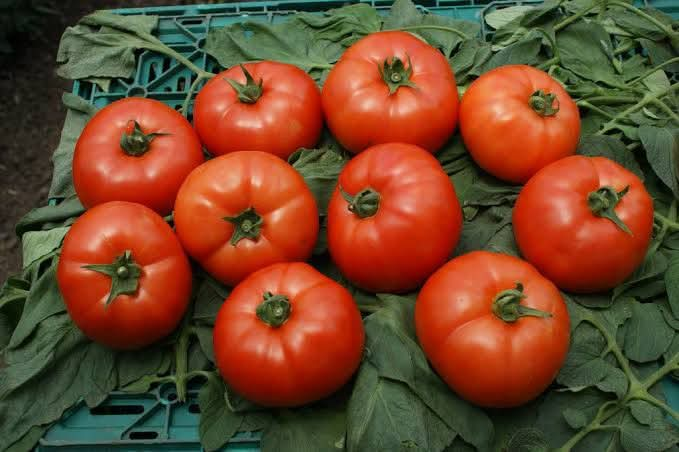
Two tomato varieties, also from NIHORT, were approved for their fruit quality, tolerance to cracking, and suitability for open-field cultivation.
Six rice varieties—ETG M401, ETG M601, SAMMAZ 77, 19C11934 (SC451), 16C34878 (SC563), and 18C2450 (SC618)—were included for their yield performance, zinc content, and grain quality.
Other approved varieties include:
– Cowpea: UAM15-2157-4 and ALKAM Super
– Barley: LACRISAMBarley4, LACRISAMBarley5, and LACRISAMBarley6
– Hybrid Rice: FARO 71, FARO 72, and ADVANTA 8200
The key selection criteria were yield, early maturity, and resistance to pests and diseases.
A farmer representative, Mr. Samuel Adeyinka, urged the committee to improve coordination with the Federal Ministry of Agriculture to ensure that farmers are adequately informed and able to access the newly released varieties. He stressed that without effective dissemination, the efforts would not translate to tangible benefits for farmers.
Adeyinka also called on farmer associations to monitor varietal releases closely to improve their members’ productivity.
NACGRAB Director, Dr. Anthony Okere, noted that the retroactive registration of pasture varieties could contribute to improved ranching practices and potentially ease tensions between farmers and herders.
The meeting was attended by researchers, plant breeders, university scholars, seed companies, and representatives from federal ministries and farmer groups.