Nigeria, World Bank Boost Rainwater Harvesting to Fight Food Insecurity

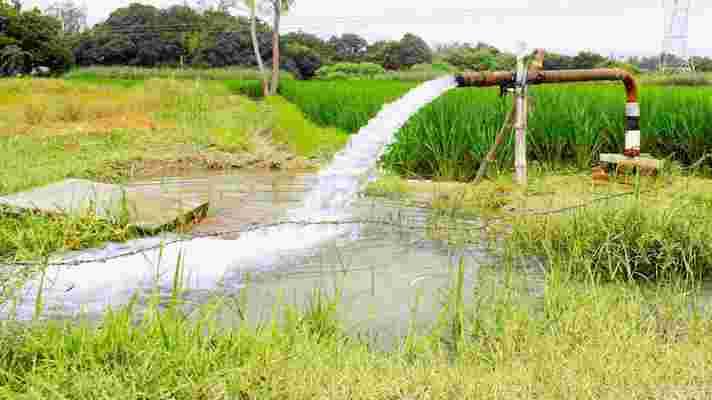
Nigeria, in partnership with the World Bank, is expanding rainwater harvesting projects under the Agro-Climatic Resilience in Semi-Arid Landscapes (ACReSAL) programme.
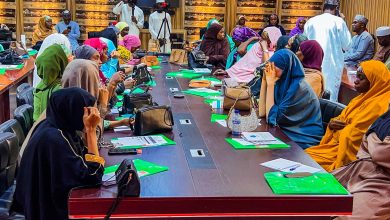
At a recent meeting in Lagos, Environment Minister Balarabe Abbas Lawal said capturing rainwater and floodwater can help farming, especially in Nigeria’s 19 northern states and the Federal Capital Territory. These areas face challenges from desertification and unpredictable rainfall, which affect the livelihoods of millions.
“By harvesting floodwater, we can support farming all year round, reduce reliance on rain-fed agriculture, and restore degraded forests,” the Minister said during the ACReSAL Project retreat.
The World Bank has committed \$500 million to ACReSAL since 2021. So far, the project has restored 200,000 hectares of degraded land—about a fifth of its goal—and helped increase crop yields and resilience to climate change.
Joy Agene, the World Bank’s task team leader for ACReSAL, described the project’s progress in its first two years as “highly satisfactory.” She mentioned efforts like the Halfmoon regenerative farming technique in Adamawa State and flood control measures in Katsina and Kaduna states.
The programme supports President Bola Tinubu’s Renewed Hope Agenda, which includes transforming agriculture.
Minister of State for Agriculture and Food Security, Sabi Abdullahi, said ACReSAL is “laying the groundwork for a climate-resilient Nigeria” by teaching sustainable farming methods and improving food systems in northern Nigeria.
Experts say focusing on rainwater harvesting is a way to address Nigeria’s flooding and drought problems, which have disrupted farming in a country where agriculture makes up about 25% of the economy.
ACReSAL involves the ministries of environment, agriculture, water resources, and the governors of 19 states. It combines land restoration, community support, and policy reforms to build resilience.
More than one million people are already benefiting, with plans to restore up to 70% of targeted land by 2026.
Challenges remain, including the need for better coordination between ministries and consistent funding to expand rainwater harvesting infrastructure.
“The goals are ambitious, but success will depend on good governance and strong partnerships,” Agene said, emphasizing the need for ongoing collaboration.
The World Bank’s support reflects growing global focus on climate-smart farming in Africa, where many face food insecurity. As Nigeria deals with rising food prices, ACReSAL could serve as a model for other dry regions across the continent.