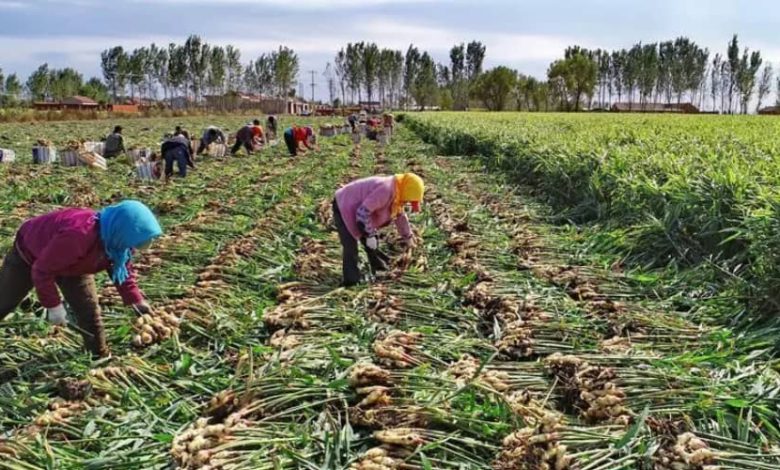
The National President of the Ginger Association of Nigeria, Mr. Gagarin Madaki, has called for the adoption of organic farming methods to address the challenges faced by ginger farmers, particularly in Kaduna State, where a fungi outbreak last year caused damages worth N10 billion.
Speaking at a workshop on Ginger and Turmeric Disease Outbreak Solutions and Biotherbicide Agricultural Biotechnology held in Kaduna, Madaki revealed that organic farming offers a sustainable and resilient solution to recurring crop diseases.
“After a decade of research into ginger cultivation, we have identified organic farming as the way forward,” Madaki stated. “This year’s tests have shown that organically grown ginger has a natural resistance to infections, which gives me optimism about the future of the crop.”
The association has collaborated with select farmers to reintroduce traditional organic farming techniques. Madaki expressed confidence that these methods would result in better yields and align with international best practices.
“By encouraging the organic method of farming ginger, we not only ensure environmental safety but also produce crops with higher nutritional value and premium pricing in international markets,” he added.
Despite the promising results, Madaki acknowledged the challenges faced by farmers who were discouraged from planting ginger this year due to the losses experienced in the previous season. He urged stakeholders to support initiatives that restore confidence in ginger cultivation.
Professor Alimi Olasunkanmi Maruf of the Air Force Institute of Technology, Kaduna, stressed the importance of collective action among farmers. He advocated for reducing reliance on harmful chemicals and adopting research-backed solutions to enhance crop yields and soil health.
“To achieve sustainable agricultural productivity, the government must effectively implement research findings,” Professor Maruf said. “This will boost farmers’ livelihoods and strengthen the agricultural sector.”
Adding his voice to the discussion, the Chairman of the Council of Yoruba Traditional Obas and Chiefs in the 19 Northern States and Abuja, Muhammed Arigbabuwo, highlighted the need for stakeholders to prioritize local solutions while embracing advancements in science and technology.
“Resuscitating industrial parks and providing micro-credit loans are critical to addressing challenges in agriculture, education, renewable energy, and unemployment,” Arigbabuwor remarked.