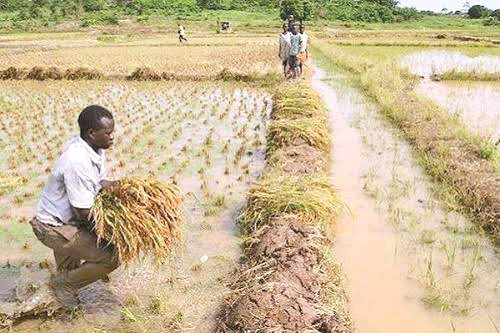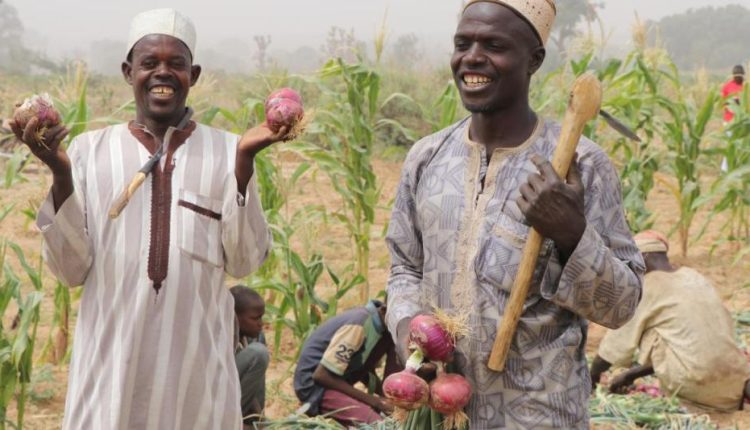
The Adamawa State Government has spent N2 billion on agricultural inputs in preparation for the upcoming farming season, in a bid to address food insecurity.
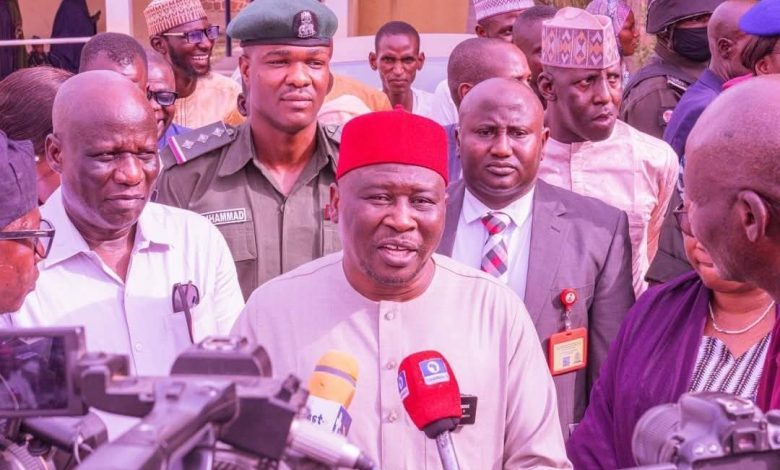
The Commissioner for Agriculture, Prof. David Jatau, disclosed this during an interview with journalists on Monday in Yola.
Jatau said the initiative is aimed at supporting farmers and unemployed youths across the 21 local government areas (LGAs) with essential inputs such as fertilisers, seeds, and pesticides.
He explained that the government plans to develop 300 hectares of farmland in each LGA, which will be allocated to 300 young people to cultivate.
“Beneficiaries will receive inputs at subsidised rates and will retain the full proceeds of their harvests,” he said.
According to him, the distribution of inputs has already begun in six LGAs: Madagali, Michika, Hong, Maiha, Demsa, and Ganye, with 10,000 bags of assorted fertilisers currently available for distribution. The programme is expected to expand to other LGAs during the next rainy season.
Jatau noted that many young people are interested in farming but lack access to capital. He linked rising insecurity in parts of the state to poverty and unemployment.
“Many youths are willing to farm but cannot afford to start. The lack of access to resources contributes to food insecurity and rising criminal activity,” he said.
He added that the initiative aims to improve agricultural productivity, address hunger, and provide economic opportunities.
Farmers, he said, would also receive training in climate-smart agriculture, including soil testing, understanding soil texture, and proper fertiliser application for better yields.
Jatau acknowledged the support of external organisations such as the North East Development Commission (NEDC), which has donated equipment including hand-held harvesters, planters, and cultivators for distribution to cooperative groups.
He also cited ongoing collaboration with the Food and Agriculture Organisation (FAO), which he said would strengthen community-level farming.