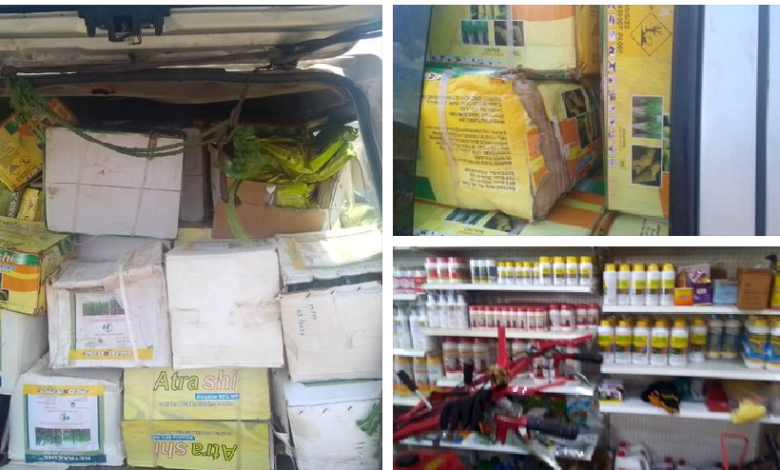
The Centre for Food Safety and Agricultural Research (CEFSAR) has hailed the National Agency for Food and Drug Administration and Control (NAFDAC) for taking decisive action against toxic agrochemicals, describing the agency’s recent enforcement efforts as a step toward restoring public trust in Nigeria’s agriculture.
In a statement issued on Wednesday in Lagos, CEFSAR’s Executive Director, Prof. Qrisstuberg Amua, praised NAFDAC for seizing banned pesticides valued at over N800 million in Ogun, Ondo, Osun, and Oyo states.
He said the move demonstrates NAFDAC’s renewed commitment to protecting public health, the environment, and the credibility of the nation’s agricultural produce.
“For over a year now, CEFSAR has been warning about the growing presence of dangerous agrochemicals—many outlawed globally—that continue to find their way into our farms and food systems,” Amua said.
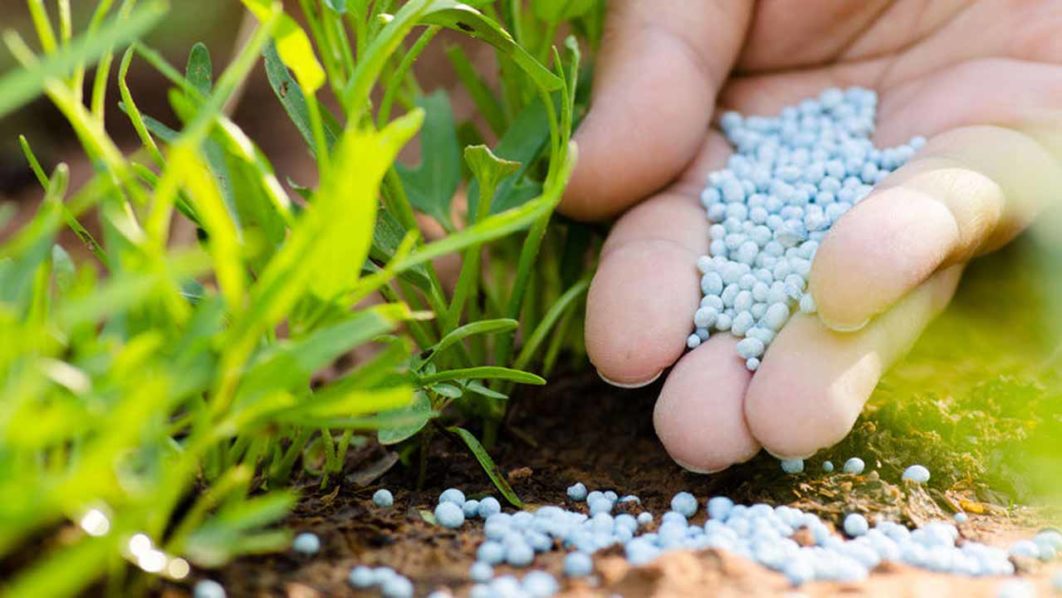
He noted that substances like chlorpyrifos, paraquat, and atrazine are still widely circulated, putting both farmers and consumers at risk and threatening Nigeria’s ability to meet international food safety standards.
“NAFDAC’s clampdown is a validation of our long-standing campaign to rid the country of these hazardous pesticides,” he added.
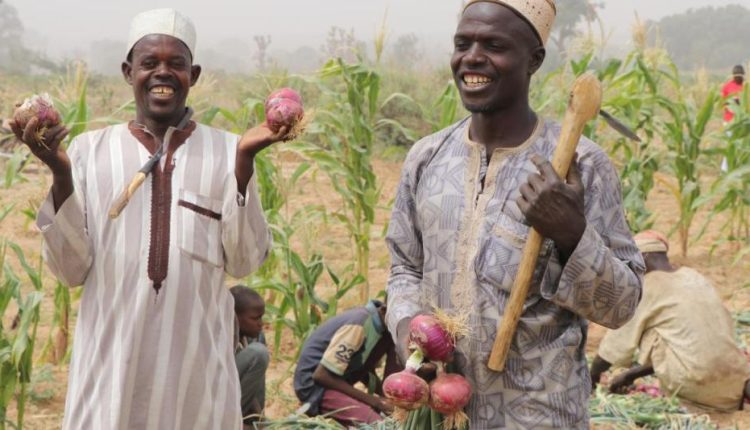
Amua emphasized that CEFSAR has worked closely with farmers, regulatory bodies, and international allies to push for safer alternatives such as organic biopesticides and integrated pest management systems. He blamed the continued use of toxic chemicals on weak enforcement, low awareness, and the actions of profit-driven distributors.
“These chemicals are not only harming our health—with links to cancer, respiratory issues, and hormonal disruptions—but also polluting our soil and water, and causing Nigerian exports to be rejected in global markets,” he said.
He urged all players in the agricultural sector—from farmers to agrochemical dealers—to support the shift to safer, eco-friendly practices and comply fully with regulatory standards.
Amua also renewed CEFSAR’s call for NAFDAC to ban glyphosate, the active ingredient in herbicides like Roundup, citing health concerns and international precedents.
“Countries like Germany, Mexico, and Vietnam have already banned glyphosate due to its potential cancer risks. Nigeria should do the same,” he said.
He referenced the World Health Organization’s 2015 classification of glyphosate as “probably carcinogenic to humans,” and highlighted the more than \$14 billion paid by Bayer/Monsanto in U.S. lawsuits related to Roundup use.
Reaffirming CEFSAR’s dedication to food safety and sustainable agriculture, Amua concluded: “We are committed to supporting NAFDAC and other stakeholders in building a food system that is safe, sustainable, and globally respected.”