Buhari Abba
The Nigeria Sovereign Investment Authority (NSIA) has officially commenced the handover of the Presidential Fertiliser Initiative (PFI) to the Ministry of Finance Incorporated (MOFI), marking the end of nearly ten years of a programme that has transformed Nigeria’s fertiliser sector.
The transition was announced at a stakeholders’ roundtable held over the weekend in Abuja, which brought together government officials, fertiliser producers, regulators, and other key actors in the agriculture value chain.
The event underscored the shift in operational control from NSIA to MOFI, with the latter set to take full management by November 2025 through its subsidiary, MOFI Management Company Limited (ManCo).
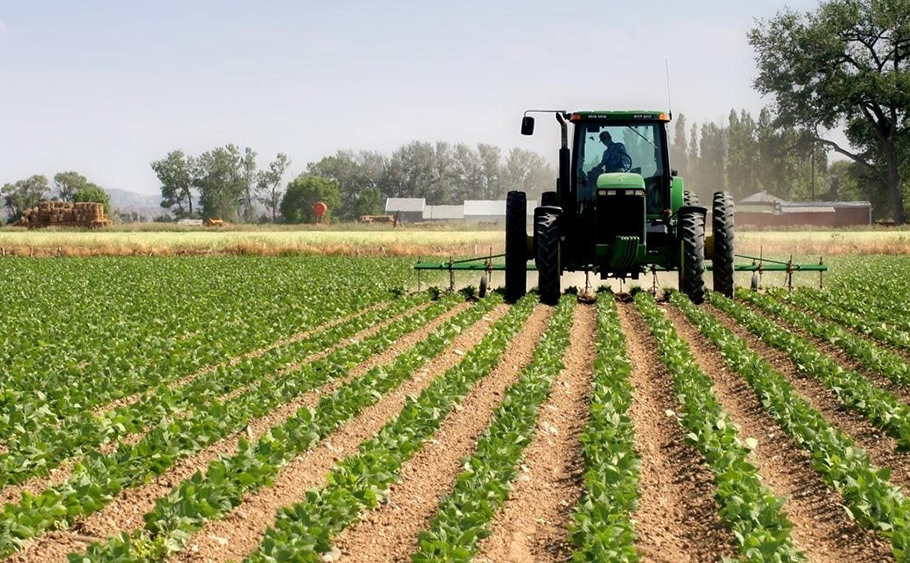
Launched in 2016 to tackle challenges in the fertiliser supply chain — including Nigeria’s heavy reliance on imports, inflated prices, and limited availability for farmers — the PFI has recorded significant milestones under NSIA’s stewardship.
From just four operational blending plants at inception, the initiative has expanded to over 90 plants nationwide as of July 2025. More than 128 million bags of high-quality NPK fertiliser have been distributed to farmers across Nigeria, according to official data.
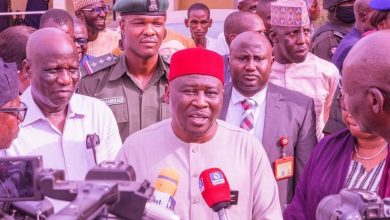
Aminu Umar-Sadiq, NSIA Managing Director and CEO, described the handover as a moment to celebrate “nearly a decade of positive impact, strategic partnership, growth, and reform.” He added, “The PFI stands as a model of successful collaboration between public institutions and the private sector.”
The programme has also boosted employment, generating over 100,000 direct and indirect jobs since 2016. Despite global disruptions — including the COVID-19 pandemic, the Russia-Ukraine conflict, and foreign exchange volatility — the initiative has remained resilient.
Umar-Sadiq emphasised that NSIA’s involvement was always designed to be temporary. “Our goal was to prove the viability of the business model, revive a dormant industry, make blending plants financially sustainable, and eventually hand over the sector to stakeholders,” he said.
He further explained the ongoing two-year transition plan, saying, “Last year, NSIA led while MOFI followed. This year, MOFI leads and we support. By November, MOFI will fully take charge.”
Highlighting a key challenge ahead, Umar-Sadiq urged stricter enforcement against fertiliser adulteration and misuse of raw materials. “The next phase must prioritise quality control, with serious consequences for those who attempt to undermine the system,” he warned.
Armstrong Ume Takang, MOFI CEO, described the transition as the start of “PFI 3.0,” focusing on sustainability, traceability, and enhanced private-sector participation. He acknowledged the programme’s success in expanding domestic blending capacity and improving farmers’ access to quality fertilisers but cautioned against complacency.
Takang pointed out the persistent problem of fertiliser adulteration and the diversion of raw materials into unofficial markets. He revealed plans to introduce a robust traceability system that will track fertiliser from the point of import or production to blending plants and ultimately to farmers.
“The challenge of food insecurity is complex, but access to affordable, quality fertiliser remains a critical part of the solution,” he said. “Our responsibility is to drive down costs through economies of scale and local production while ensuring fertiliser quality.”
As MOFI assumes full control, Takang said stakeholders must focus on improving distribution efficiency, raising input quality, and reaching underserved rural communities.
“Farmers are the last mile. We must guarantee they receive the right quality and quantity of fertiliser at affordable prices, free from contaminants,” he stressed.
MOFI is committed to scaling up the initiative while maintaining collaboration with government agencies and industry players.
“We will build on the strong foundation laid by NSIA and fully take over operations by January 2026. This marks a new chapter in Nigeria’s fertiliser programme,” Takang assured.