Women Trained in Regenerative Farming to Tackle Climate Change in Kaduna

Zulaiha Sani Haruna
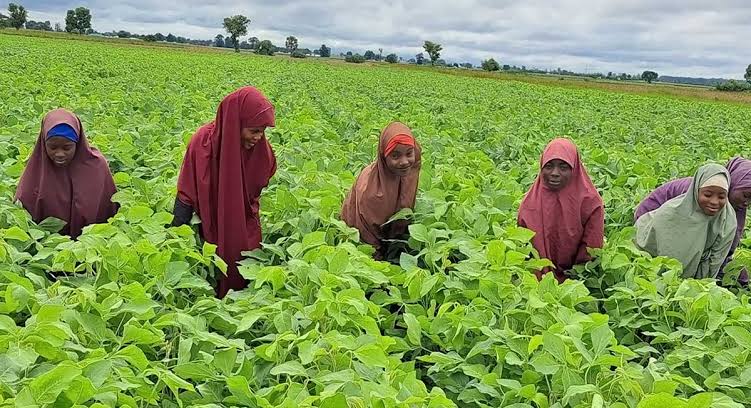
Women Initiative for Sustainable Environment (WISE), an NGO, has trained 30 women farmers in Kaduna on regenerative agriculture to promote sustainable food production and strengthen community resilience against climate change and pandemics.
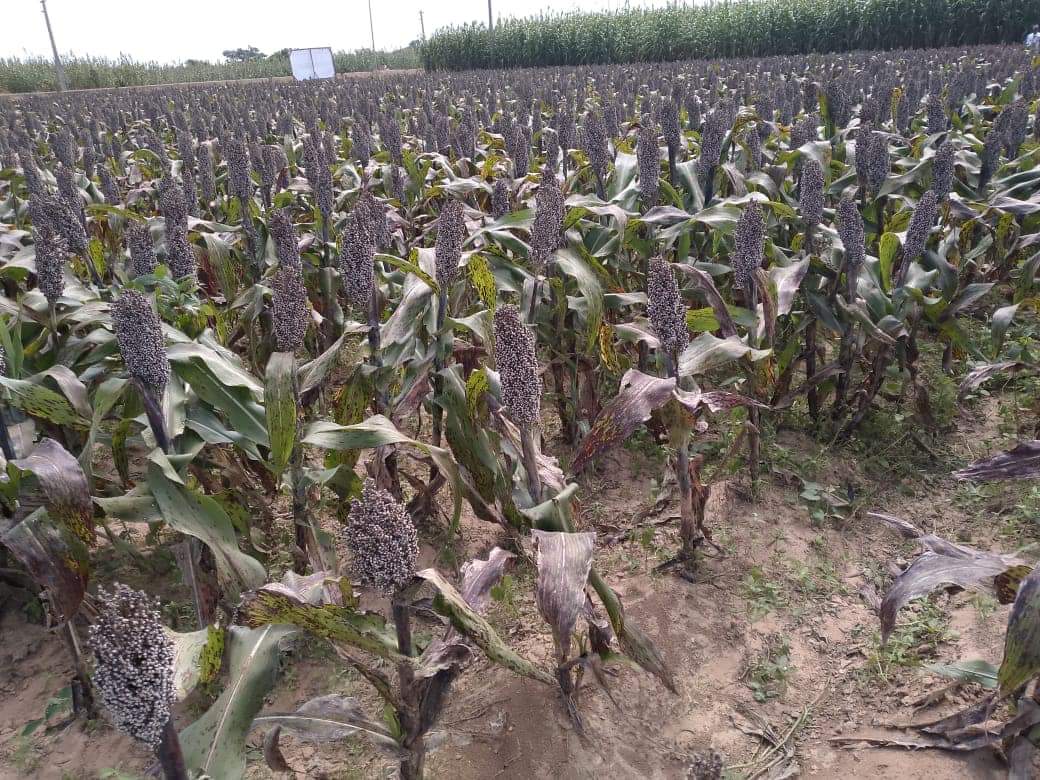
Regenerative agriculture is a farming method that focuses on soil health, biodiversity, and ecosystem services. It enhances farm resilience to climate change and encourages sustainable food systems.
The three-day workshop, titled “Regenerative Agriculture Accelerator,” was organised under the Integrated COVID and Climate Resilience Nigeria Programme, with support from Women Earth Alliance (WEA).
Participants were drawn from various communities across Kaduna and were taught practical skills in organic farming, composting, natural pest control, and other regenerative techniques.
At the closing ceremony on Friday in Kaduna, the founder and Executive Director of WISE, Mrs. Olanike Olugboji-Daramola, said the training was aimed at helping women adapt to climate challenges and improve food security in their communities.
“We are teaching women how to farm in a way that is healthy for the soil, the environment, and their families. Organic farming not only protects their health but also reduces the cost of production and increases resilience against both climate shocks and public health crises like COVID-19,” she said.
Olugboji-Daramola added that the goal was not just to train the women, but to empower them as climate leaders in their local areas.
Dr. Dorcas Ezekiel, a soil scientist from the Federal University of Technology, Minna, said the participants learned the benefits of using organic matter to maintain soil health and food quality.
She noted that adopting such practices could support food sustainability for future generations and help mitigate climate impacts.
Ezekiel explained that the women were taught soil testing and care, which would support biodiversity and reduce environmental damage, with potential benefits for organic exports.
Another facilitator, Elizabeth Yakubu, said the training was about more than farming techniques—it was about building confidence.
“We want women to know that they can take control of their food production using safe and affordable methods. This training empowers them to make organic compost, prepare natural pesticides, and manage their farms with minimal external input,” she said.
Yakubu said the knowledge gained would improve the women’s yields, income, and family health.
Rifkatu Bawa, one of the participants, said the training was eye-opening.
“This is the first time I am learning how to make organic compost from kitchen and farm waste. I used to rely heavily on chemical fertilisers, which are expensive and sometimes harmful. I am going back home to teach other women what I have learned,” she said.
Another farmer, Jummai Luka, said the training changed her perception of farming.
“We were shown how to improve soil fertility using natural methods, and also how to store our crops without chemicals. I plan to start a small demo farm in my village so others can learn too,” she said.
Asibi Hassan, a small-scale farmer, highlighted the health benefits of growing organic food.
“Now I understand that what we eat affects our health. I have learned how to grow vegetables without harmful chemicals, and I will make sure my children eat healthier from now on,” she said.
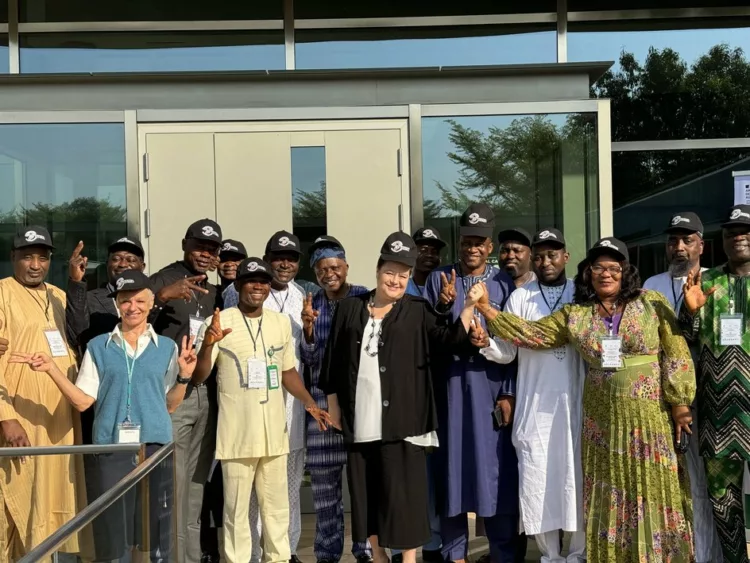
At the end of the workshop, the women received certificates of participation in a brief ceremony.
The certificates, according to organisers, signified the women’s new roles as community change agents.
Participants pledged to form community clusters and step down the training to others in their areas to broaden the impact across the state.
Organisers expressed hope that with continued support, women farmers could contribute significantly to the development of climate-smart agriculture and sustainable food systems in Nigeria.