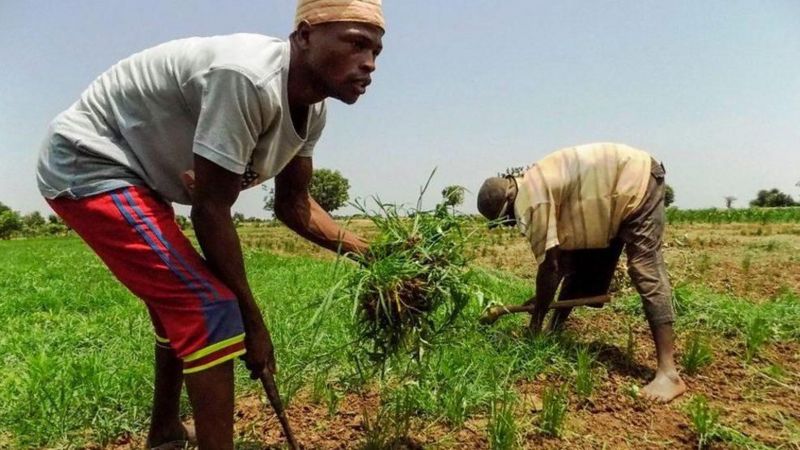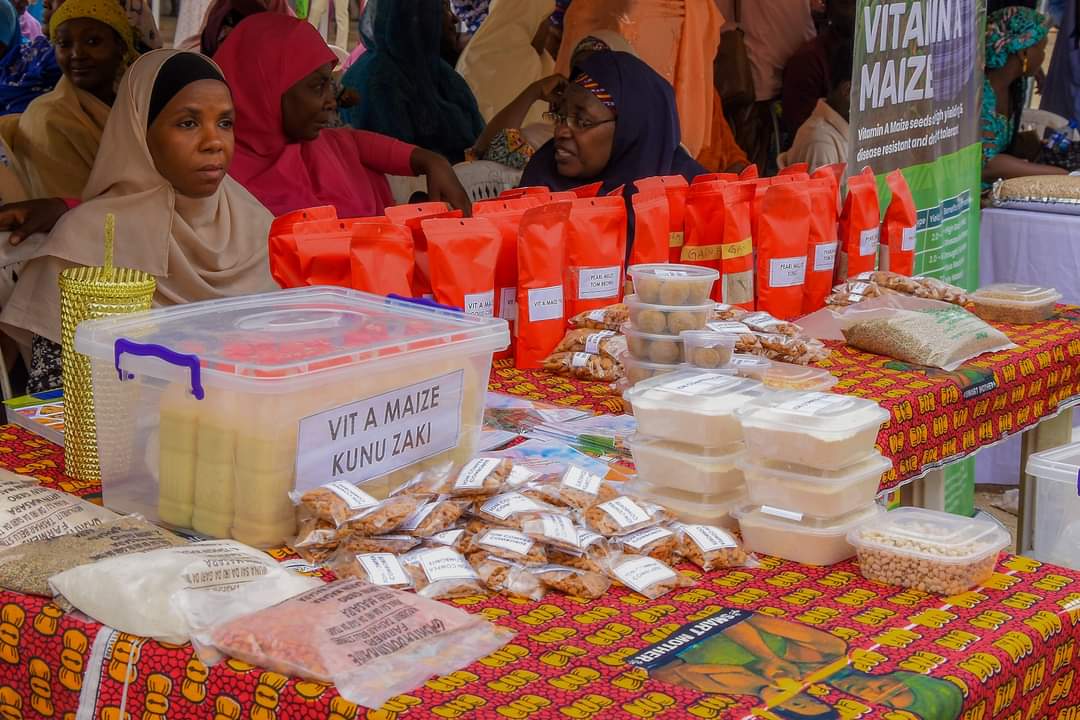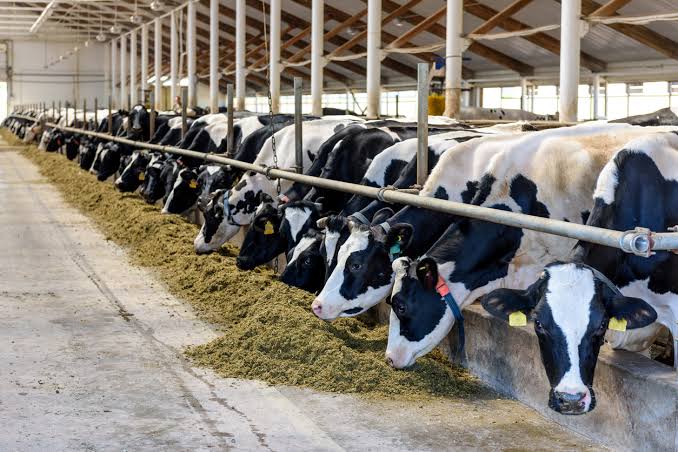
Stakeholders in Nigeria’s pastoral farming sector have raised concerns over the scarcity of quality animal feed, which is essential for livestock farming.
They noted that despite the sector’s contribution to Nigeria’s economy, farmers face persistent challenges.
The concerns were discussed during an African Union Inter-African Bureau for Animal Resources (AU-IBAR) workshop on the African Pastoral Markets Development (APMD) platform in Abuja on Friday.
“Despite the importance of livestock farming, farmers face numerous constraints, including availability and accessibility of quality animal feed, long distances between production and consumption areas, lack of insurance in the reservation system, and difficulties in locating storage facilities, among others,” stakeholders stated.
They also called for an improved logistics system to reduce cattle transportation costs, which they argued would increase efficiency and benefit livestock welfare during transit.
The workshop, which included representatives from Nigeria, Benin, Burkina Faso, Chad, and Cameroon, highlighted the need for logistical improvements to address long-distance transport issues. Long supply chains in northern Nigeria often stretch across thousands of kilometres to reach southern markets, putting strain on both livestock and transporters.
As the pastoral farming industry grows, stakeholders emphasized the need for safety for both animals and drivers on these extensive routes. They urged the government and private sector to collaborate in developing infrastructure, such as feedlots, cattle yards, abattoir facilities, rail systems, and biosecurity practices.
Increased investment in infrastructure, particularly in roads, bridges, and storage, could also strengthen the northern pastoral industry’s resilience against future challenges, stakeholders noted.
Additionally, stakeholders urged AU-IBAR to work with Nigeria’s Federal Ministry of Livestock Development to create a database to track animal health, breeding cycles, and productivity, allowing farmers to make informed decisions.
Authorities in the Sahel region were also encouraged to improve border-crossing procedures and health standards in slaughterhouses and butcheries.
Dr. Huyam Salih, AU-IBAR Director, represented by APMD Platform Project Coordinator Ahmed Elbeltagy, noted that the platform aims to support the livestock sector and protect rural incomes dependent on meat and livestock products.
In his opening remarks, Senator Aliyu Abdullahi, Minister of State, Federal Ministry of Agriculture and Food Security, emphasized the need for an improved production process in pastoral farming, noting that cattle farming plays a key role in Nigeria’s agricultural GDP. He stated the government’s support for initiatives that improve technology access for small-scale farmers and enhance the national cattle stock.
Supported by funding from the Bill & Melinda Gates Foundation, AU-IBAR is establishing the APMD platform to drive market-driven transformations in pastoralism across Africa and support agricultural progress.
The platform aims to foster market-driven interventions, enabling stakeholders to better integrate pastoralists into livestock markets across the region.