By Muhammad Shamsuddeen Abubakar
The Federal Government has raised alarm over Nigeria’s deepening food and nutrition crisis, revealing that 74% of the population—about 161 million people—are now food insecure.
Alhaji Nuhu Kilishi, Director of Nutrition and Food Safety at the Federal Ministry of Agriculture and Food Security, disclosed the figure in Abuja during a stakeholders’ meeting to develop a Food and Nutrition Security Crisis Preparedness Plan.
“Only 20% of Nigerians are currently food secure, meaning they are certain of their next meal,” Kilishi said, warning that the number of people struggling to eat daily has more than doubled from 35% in 2014 to nearly three-quarters of the population today.
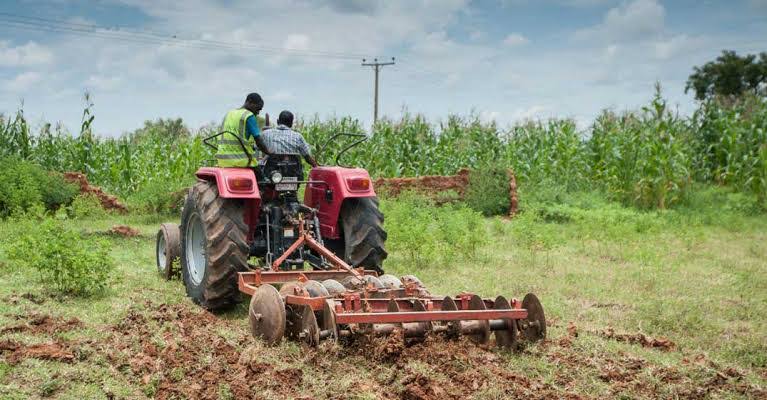
He blamed the crisis on worsening insecurity, banditry, and soaring food prices. “These challenges have drastically reduced the size of farmlands and made healthy diets unaffordable,” he added.
The preparedness plan is being developed under the World Bank-funded Accelerating Nutrition Results in Nigeria (ANRiN) project. It aims to tackle malnutrition by improving access to basic nutrition services, especially for children and women.
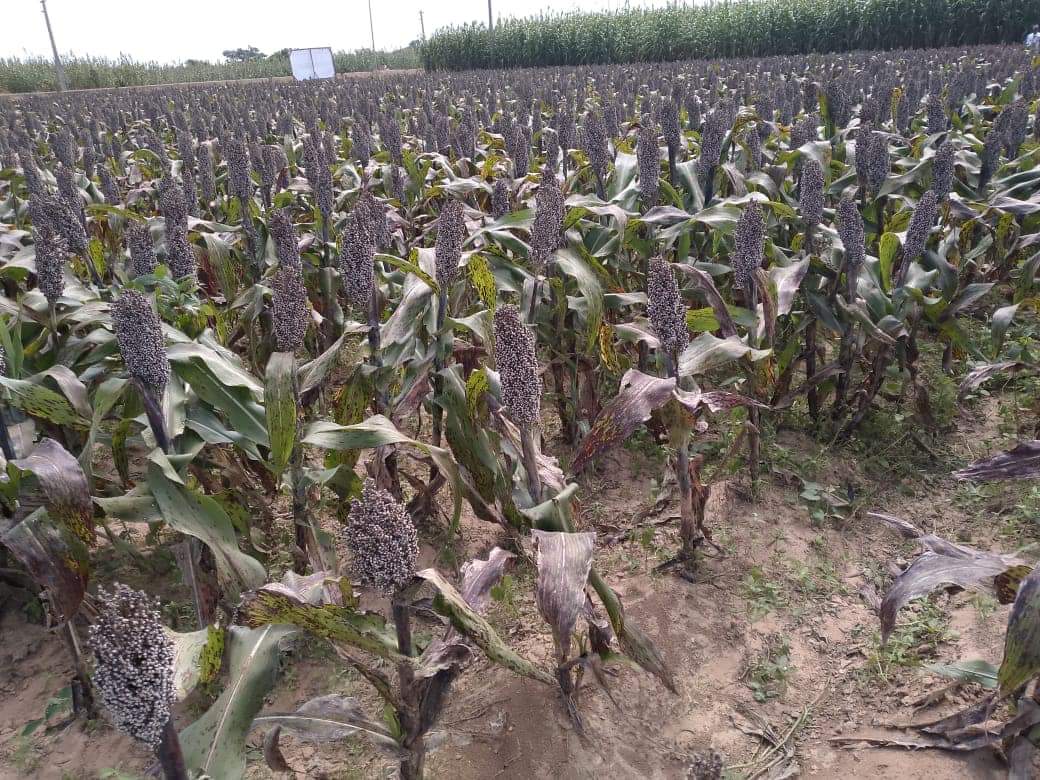
Kilishi said the government is distributing seeds and other materials for home gardening across all 774 local government areas. While the World Bank is funding interventions in 21 states, federal funding will support the remaining states.
Also speaking at the meeting, Dr Ritgak Tilley-Gyado, Senior Health Specialist at the World Bank, said ANRiN had entered its second phase. According to her, the project is not only about immediate relief but building systems to prevent similar nutrition emergencies in the future.
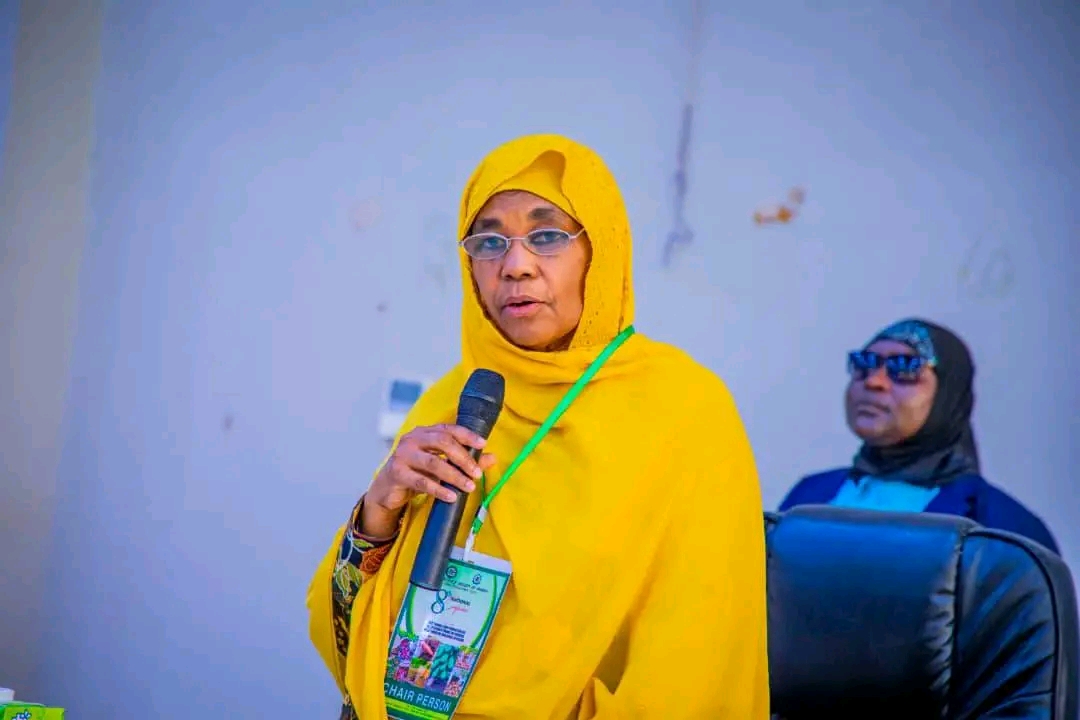
Mrs Ladidi Bako-Aiyegbusi, Director of Nutrition at the Federal Ministry of Health, shared data showing that more than 40% of Nigerian households can no longer afford nutritious meals. “This is directly linked to high rates of maternal and child deaths,” she said.
She stressed that solving the crisis requires coordinated efforts across multiple sectors—agriculture, education, water, and security.
Mrs Ojuolape Solanke, ANRiN 2.0 Project Manager, said a national preparedness plan will be ready in six months. She described the plan as a step toward helping Nigeria better respond to future food and nutrition emergencies.