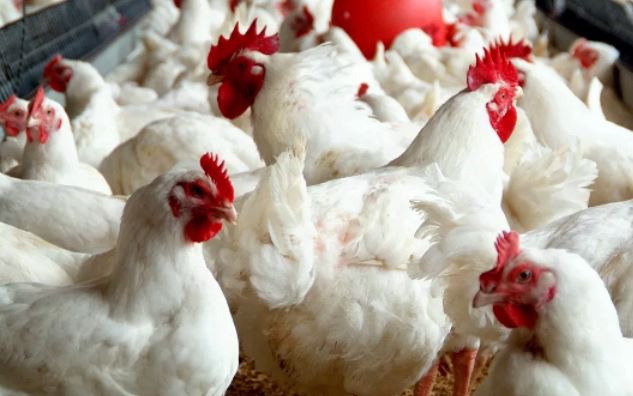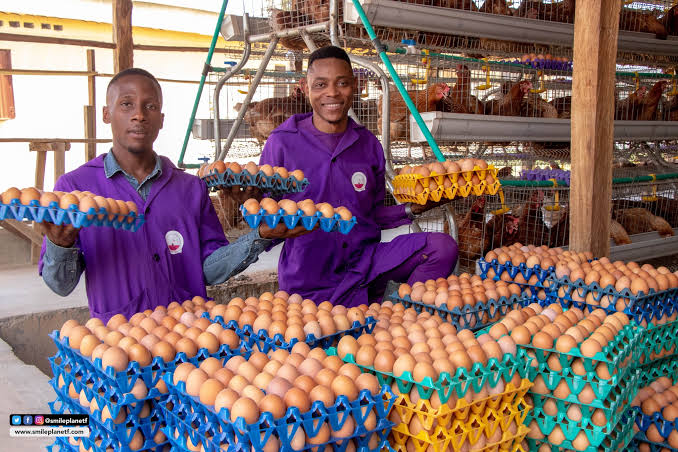
The price of eggs has risen sharply, adding strain to household budgets as essential goods become costlier.
A recent market survey shows a steady increase in egg prices over the past months due to higher costs for bird feed, transportation, and seasonal production issues.
In April and May, a crate of eggs cost between N3,000 and N3,500, with a single egg priced at N150. By June, prices had climbed to around N3,800 to N4,000 per crate, and by October, a crate cost between N5,500 and N5,700, with single eggs retailing for up to N300—a 100% increase since the start of the year.
Musa Hakeem, Secretary of the Poultry Association of Nigeria (PAN) FCT Chapter, warned that prices may continue to rise unless support is provided to poultry farmers. He estimated that crates could reach N10,000 in the coming months without intervention.
The rainy season is one key factor disrupting production. Tosin Aremu, an egg distributor, explained that chickens require adequate sunlight and water to lay eggs effectively, but the rainy season disrupts this balance, reducing output. She also noted that some chickens have caught diseases, further impacting productivity.
Additionally, bird feed prices have surged, increasing financial strain on poultry farmers. Joseph Ojo, a poultry farmer, highlighted that the cost of feed has jumped from N7,000 to N26,000 per bag. Rising fuel prices have also added to farmers’ costs by increasing transportation expenses and feed mill operations.
Professor Olufemi Adesope, an agricultural economist from the University of Port Harcourt, recommended government support for poultry farmers to help them access affordable feed. He proposed measures like bulk purchasing programs, tax relief, and low-interest loans, pointing out that feed costs make up about 70% of poultry production expenses.
Professor Adesope also suggested alternative feed sources, such as cassava products and black soldier fly larvae, to reduce dependence on traditional feed. He noted that technologies like automated feeders and IoT sensors could improve efficiency on larger farms.
As a long-term strategy, he emphasized the importance of local production of feed ingredients like maize and soybeans to reduce import reliance, along with investments in research for sustainable feed alternatives and training programs to equip farmers with modern, sustainable practices.
The ongoing rise in egg prices highlights the need for immediate and lasting measures to strengthen Nigeria’s poultry sector and maintain food affordability. Without intervention, consumers could face even higher costs, further burdening households nationwide.