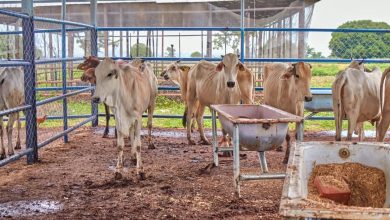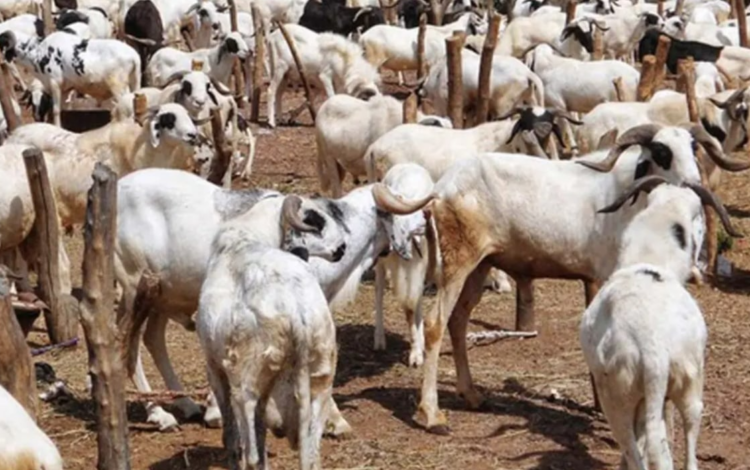
With Eid al-Adha approaching, livestock dealers and buyers in Kano are expressing concern over the scarcity and rising prices of rams, attributing the situation to insecurity, regional politics, and a drop in supply.
A key factor is the recent suspension of livestock exports by the Niger Republic, which has disrupted trade routes used by Nigerian dealers.
“We used to rely heavily on rams from Niger, especially during the Sallah season,” said Malam Abdullahi Abdul, a livestock trader at the Wudil Market. “Now with the border closed, supply has shrunk and prices have gone up drastically. We are worried this might be our worst Eid sales in years.”
At Maigatari International Livestock Market in Jigawa State, the impact is also visible. “Normally, by now, the market would be full of animals from Niger. But this year, it’s a different story. The pens are half-empty, and customers are already complaining,” said Malam Dauda Babandi Gumel, who has been trading livestock for over two decades.
Prices have increased significantly. A medium-sized ram that sold for about N120,000 last year now costs between N170,000 and N200,000. Larger rams are more expensive. Some bulls are now priced at over N2 million.
“Last year I bought a decent ram for N110,000. This year, the same size is now N180,000. I walked away,” said Kabiru Salisu, a resident of Kofar Ruwa. “I might end up watching others slaughter this year.”
For civil servant Malam Idris Isma’ila Zango, the issue goes beyond cost. “With a salary of N71,000 and six mouths to feed, there’s no way I can afford a ram at these prices. It’s heartbreaking, but I may skip the sacrifice this year.”
Some families are turning to group sacrifices. “My brothers and I now contribute together to buy one ram and share the meat,” said Alhaji Shehu Sharu. “It’s not ideal, but it’s better than nothing.”
Dealers are seeking alternatives. “We’ve sent people to Cameroon and Chad to source animals, but it’s not the same. Transport is more expensive, and exchange rates are killing the business,” said Aminu Ali, a trader at Dawanau Market.
Others, like Alhaji Bello Guri, are trying to adapt. “Yes, the ban has affected supply, but it came early enough for us to adjust. What worries us more now is insecurity on the roads. It’s risky moving animals across northern Nigeria these days.”
Some believe the situation has political undertones. “Niger’s military government is trying to assert its power in the region, and trade is one way to make that statement,” said Ibraheem Muazzam, a Kano-based economist.
Experts say Nigeria’s reliance on livestock imports is unsustainable. “We can’t keep relying on imports,” said Dr. Aminu Rimi, a livestock specialist. “We need to embrace local ranching, modern fattening techniques, and implement the National Livestock Transformation Plan in full.”
For now, the mood in Kano’s livestock markets remains tense.
“Sallah is supposed to be a time of joy,” said Halima Bashir, a mother of five shopping for a ram in Garko. “But right now, it feels like only the rich will celebrate.”