Interview: How Poultry Farmers Can Navigate Rainy Season Challenges — Expert
Interview: How Poultry Farmers Can Navigate Rainy Season Challenges — Expert

By Muhammad Shamsuddeen Abubakar
As the rainy season spreads across Nigeria, poultry farmers are confronted with a number of challenges affecting the health and productivity of their birds. Dampness, cold drafts, and high humidity levels create conditions that support the spread of diseases and other negative impacts on poultry operations.
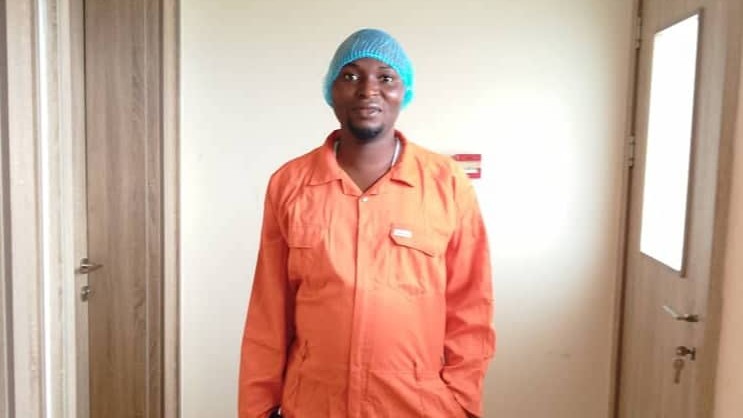
To understand how farmers can manage these difficulties, Farmers Voice NG spoke with Dr. Muhammad Yahaya Alkali, a veterinary doctor based in Abuja. In this interview, he shares simple and cost-effective steps to help farmers protect their poultry during the rainy season.
Farmers Voice NG: What are the main risks poultry farmers face during the rainy season?
Dr. Alkali: The rainy season brings dampness, fluctuating temperatures, and high humidity. These conditions make it easier for poultry diseases like coccidiosis and fowlpox to spread. Birds are sensitive to environmental stress and poor hygiene. Without proper care during this period, farmers risk high bird losses and financial setbacks.
Farmers Voice NG: What steps can farmers take to protect their birds?
Dr. Alkali: Keeping litter dry is essential. Wet litter encourages bacteria and fungi, leading to infections. Damp litter should be replaced immediately, and ventilation should be maintained to allow fresh air in.
Covering poultry cages with tarpaulin or tempolin helps prevent rainwater from entering and shields the birds from cold air. This helps create a more stable environment for the birds.
Farmers Voice NG: How can farmers manage temperature effectively?
Dr. Alkali: Farmers should use thermometers to monitor the temperature inside poultry houses. If it drops too low, they can use heaters or heat lamps—especially for chicks and young birds, which can’t regulate their own body temperature. Keeping them warm is essential.
Farmers Voice NG: What role does biosecurity play during the rainy season?
Dr. Alkali: It’s very important. Wet conditions can increase the spread of diseases. Farmers should limit access to their farms, disinfect tools and footwear, and isolate any sick birds. Cleanliness must be a routine part of daily farm work.
Farmers Voice NG: Feed tends to spoil quickly in wet weather. Any suggestions?
Dr. Alkali: Feed should be kept in a dry, well-ventilated place to avoid mold. Moldy feed can harm the birds. Store bags off the floor and choose cool, dry spaces for storage. Also, ensure that birds have clean drinking water, and adding multivitamins can help boost their immunity.
Farmers Voice NG: Any final advice for farmers during this season?
Dr. Alkali: Farmers should not wait until there’s a problem. It’s better to prevent disease than to treat it. Monitoring, early action, and good hygiene go a long way. Where possible, seek professional help. Poultry farming can still do well during the rainy season with proper care and planning.
Dr. Alkali’s input highlights that routine hygiene, early precautions, and simple management practices can help farmers reduce losses and keep their poultry healthy during the rains.