By Buhari Abba
Kano State, often referred to as the “Center of Commerce,” is a historic trade hub since years immemorial known for its rich culture and economic versatility in Nigeria.
Located at the core of the Northwestern region of the country, Kano’s economic prominence lies in its agricultural sector, which has sustained its economic growth owing to its population for centuries. This, among many other factors has positioned the state as a key pivotal player in Nigeria’s agricultural economy.
With vast arable land, a vibrant population, and a rich history of commercialisation, Kano remains a beacon of agricultural excellence.
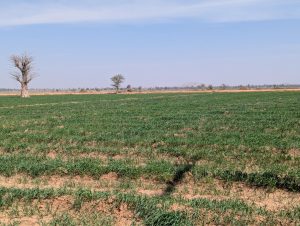
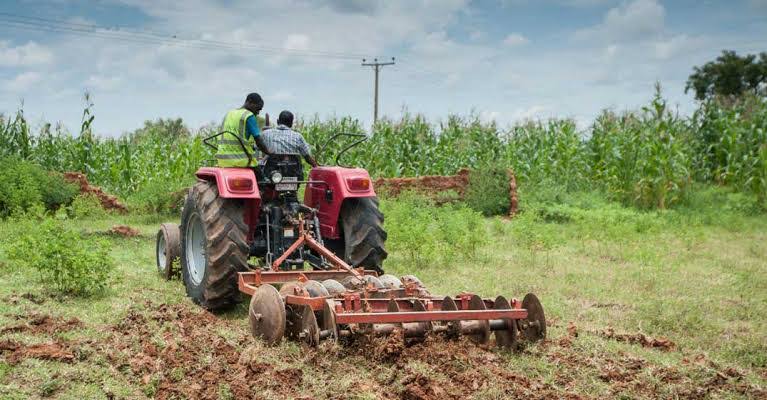
While the state boasts of a diverse agricultural portfolio, with numerous crops and products supporting both local consumption and exports, today, Kano is one of Nigeria’s largest agricultural driving force contributing significantly to the state’s GDP and providing livelihoods for millions.
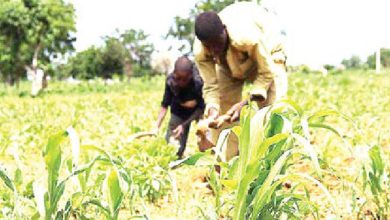
Farming is deeply rooted in the culture and traditions of Kano’s people, with agricultural knowledge and practices passed down through generations. However, with the coming of many external factors coupled with technological advancements and opportunities outside the ancient farming practice, the narrative is fast changing.
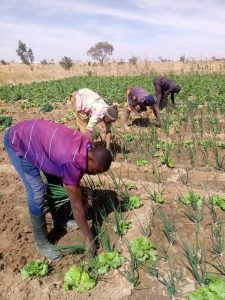
Farming Communities Struggle with Poor Road Infrastructure
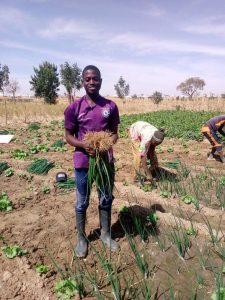
In a recent visit to some farming communities located in the outskirts of the city, farmers in Garun Babba, Barnawa, Gidan Ala, Barge, Gidan Charai, Chiromawa and other communities in Garun Malam and Bunkure Local Government Areas are battling with poor road infrastructure which hampers access to markets thereby threatening livelihoods.
Despite being part of the Kano River Irrigation Project, one of Nigeria’s prominent irrigation schemes, these communities face significant challenges in transporting their produce, including rice, maize, tomatoes, and peppers, due to impassable access roads.
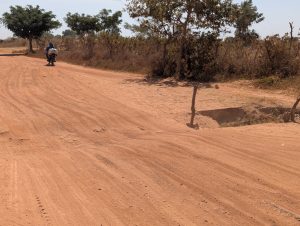
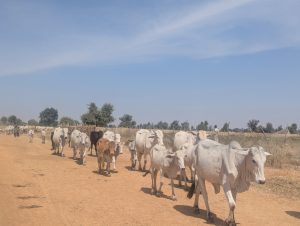
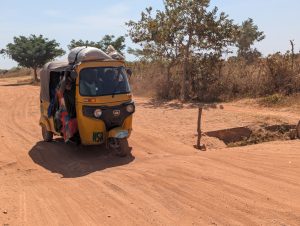
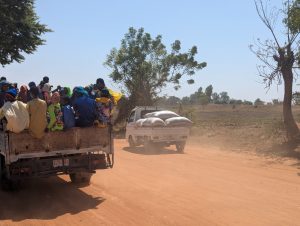
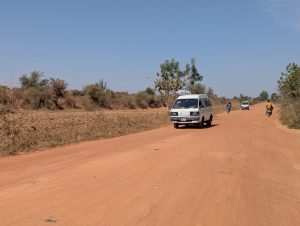
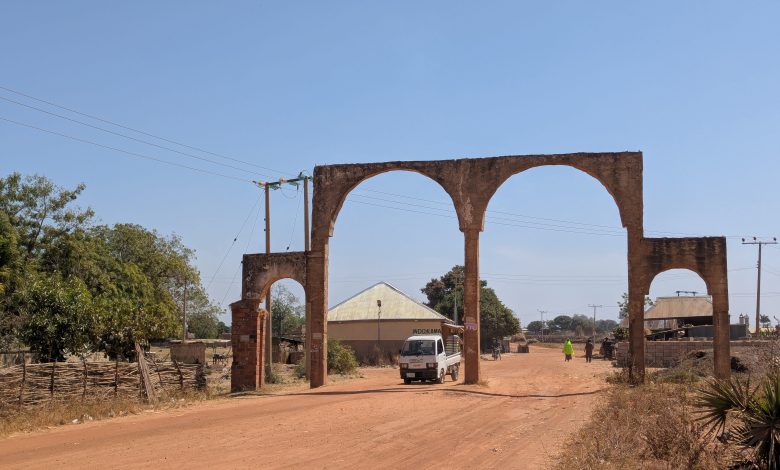
The 45-kilometer road connecting local communities to the popular Kano-Zaria Expressway is in a deplorable state, posing significant challenges to farmers and other residents, particularly during the rainy season.
The deteriorated condition of the road not only hampers the transportation of agricultural produce but also disrupts daily activities, limiting access to essential services and markets.
Farmers Share Ordeals
Farmers in these areas have expressed their frustrations, especially during the rainy season when roads become nearly inaccessible.
Suleiman Maitasha, a farmer from Chiromawa, stated, “We produce enough food to feed the city, but if we cannot transport it, it is wasted. Many times, my tomatoes spoil before reaching the market because bad roads make transport unaffordable.”
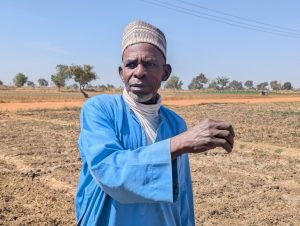
He further explained that, “We pay high fares for transport, yet drivers avoid coming here due to the bad roads. Farming becomes unprofitable.”
Auwalu Abdullahi, a farmer from Gidan Charai, highlighted the dire situation, “During the rainy season, we are cut off entirely. We carry our produce on our heads or in wheelbarrows to reach the main road. It is a yearly struggle.”
Impact on Productivity and Income
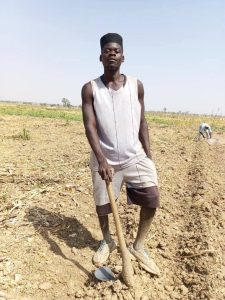
The poor road network has forced many farmers to limit their production to what they can manage locally, reducing income and overall agricultural productivity. Adamu Sani, a farmer in Barnawa also shares his experience over the years.
He said, “When farmers cannot reach markets, food goes to waste, and large-scale farming becomes impossible. This situation contributes to food insecurity in the state and beyond.”
Challenges in Government Interventions
These farmers have also criticized and alleged mismanagement and diversion of government intervention programs meant for agriculture.
Sule Maitasha lamented that, “Most government interventions fail because non-farmers and those with no business in agriculture are the main beneficiaries. Farmers rarely get direct attention from the government. You need connections to benefit, and that’s a challenge for many of us who don’t have any.”
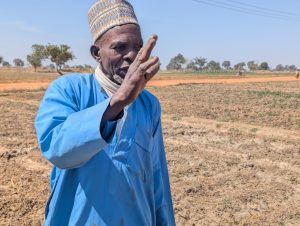
He also highlighted the high cost of farm inputs, fertilizers, and agrochemicals as major challenge. According to him, “Government intervention programs often fail because key stakeholders in the agricultural sector are not involved in policy development. We receive little to no financial support from the Federal Ministry of Agriculture and Food Security. Instead, we rely on family members for loans, which is not sustainable.”
He added that, “The government should encourage farmers by providing loans repayable within two years, based on the type of farming. They should distribute seeds, fertilizers, and agrochemicals as incentives through designated centers accessible to farmers in their communities.”
Appeals for Government Intervention
Residents are calling on the government to prioritize rural road construction and maintenance to improve market access and economic opportunities.
Sabitu Balarabe, a youth advocate in Garun Babba, stressed that, “Without good roads, agriculture suffers, and so does the economy. Roads are essential for development and poverty reduction.”
Balarabe also noted that poor roads affect all residents, especially during emergencies.
“Pregnant women and the sick suffer the most. We have seen lives lost and women giving birth on the road because they couldn’t reach a hospital in time,” he said.
Mixed Results from Government Projects
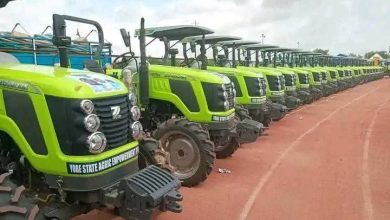
The Kano State Agro Pastoral Development Project (KSADP) is currently constructing a 70 Kilometres access road network across the state to enhance market accessibility.
Speaking, Engr. Zaharaddeen Hamisu, KSADP Infrastructure Engineer, disclosed that, “N11 billion has been allocated to 10 roads under construction. Some roads, like the Zerewa to Fulatan Road in Rogo Local Government, are 90 percent complete and will be finished by January. Others are expected to be completed by March.”
The projects include a 7.5 kilometer access road with drainage in Gwangwan and roads connecting Mil Goma to Yankasari and Wasai to Baitai.
While these developments promise to boost agriculture and trade, the communities of Garun Malam and Bunkure remain disconnected and excluded from the benefits.
Hopes for Change
Farmers in these communities continue to keep hope alive for improved infrastructure to enable efficient transportation of their produce, increase their income, and enhance their living standards. Until these challenges are addressed, they remain persistent with resilience and determined to overcome the obstacles posed by inadequate infrastructure.