An agritech solutions expert, Mr. Ayomide Olugbade, has called for the adoption of solar-powered cold storage systems to prevent post-harvest losses and ensure food security in the country.
Olugbade, the Co-Founder and Chief Technology Officer of Rendcore Technology Ltd., made the call on Tuesday in Lagos.
Nigeria’s agricultural post-harvest losses are estimated at around 50 percent annually.
These losses translate into a substantial economic burden, estimated at \$9 billion per year.
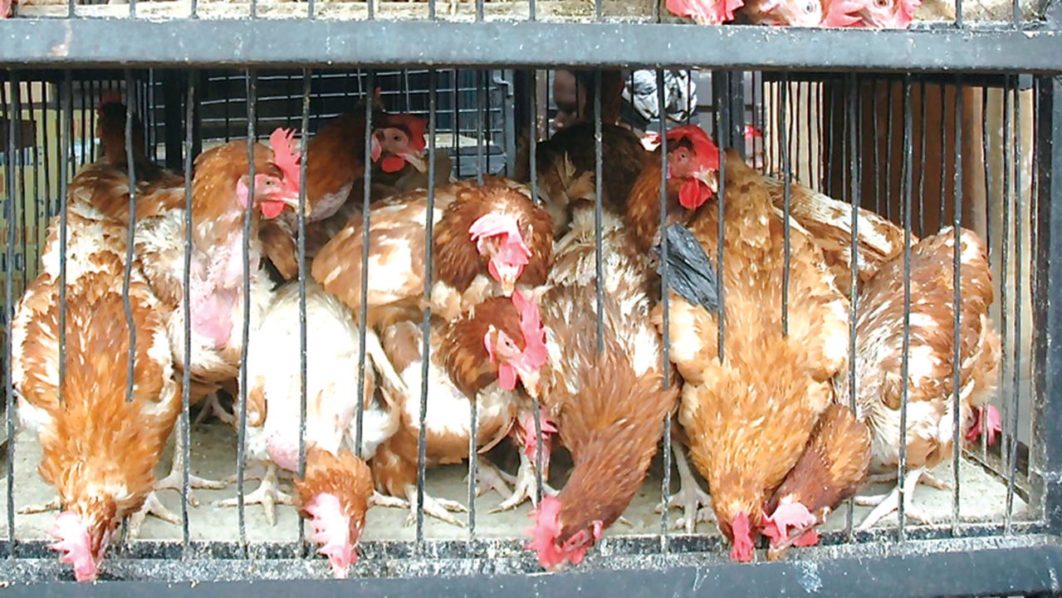
The high rate of post-harvest loss is primarily attributed to inadequate storage facilities, poor transportation, limited access to modern technology, and a lack of functional cold chain infrastructure.
The expert noted that to ensure adequate food security by 2050, Nigeria must increase food production by approximately 75 to 100 percent.
“To achieve the needed food security rate in the country, Nigeria must cut more than 50 percent of its post-harvest losses.
“To meet this target, Nigeria must reduce post-harvest losses by at least 50 percent and double smallholder farmers’ productivity through agritech and irrigation.
“We must also expand storage, logistics, and food processing infrastructure, and invest in climate-resilient agriculture as well as research and development.
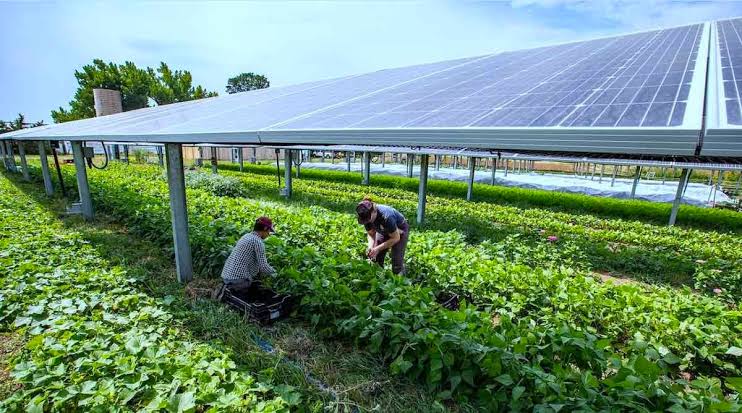
“Decentralised, solar-driven cold storage can reduce losses, empower farmers, and improve national food resilience, particularly for fruits and vegetables,” Olugbade said.
According to him, global food production has gradually increased due to technological advancement, and Nigeria can tap into this trend by reducing its post-harvest losses.
“Nigeria produces about 13.9 million tonnes of fruits and vegetables per year; a 50 percent post-harvest loss results in $24.3 billion annually.
“In Nigeria, post-harvest losses are a major contributor to food insecurity, particularly among smallholder farmers who lack access to modern preservation technologies.
“Losses typically occur due to poor harvesting practices, mechanical injuries during transportation, microbial spoilage, and unfavourable storage conditions.
“Post-harvest losses in Nigeria have significant socio-economic implications that undermine national development,” the expert said.
He added that solar-powered cold storage is an innovative post-harvest preservation technology that addresses the challenges of food spoilage in Nigeria’s agricultural value chain.
However, he called for government investment in cold-chain storage due to the high cost involved.
“The Nigerian government plays a pivotal role in scaling solar-powered cold storage as a strategy to reduce post-harvest losses.
“Youth-led agritech innovation, boosted by Nigeria’s growing tech ecosystem, can drive local design, deployment, and maintenance of solar cold storage.
“Empowering youth through funding, training, and incubation will expand the reach of these technologies, especially in underserved rural areas.
“The adoption of solar cold storage not only improves food security but also strengthens rural economies by enhancing agricultural profitability and reducing waste.
“Aligning financing models with community ownership, supported by institutional frameworks and youth innovation, is essential to scaling solar cold storage and reducing post-harvest losses in Nigeria,” he said.