A coalition of rice sector stakeholders under the Competitive African Rice Forum – Nigeria chapter (CARF-FSD Nigeria) has warned of a potential collapse of the country’s rice value chain.
The group blamed the situation on policy inconsistencies, selective import duty waivers, and renewed smuggling, which they say have disrupted local production and led to the closure of several rice mills across multiple states.
Speaking to business reporters on Saturday in Abuja, Chairman of the Board of Trustees of CARF-FSD Nigeria, Peter Dama, said the situation could undo over two decades of efforts in the rice sector.
“Nigeria’s rice industry, which has witnessed more than 20 years of growth through public-private investments, is now facing an existential threat,” Dama said. “The recent government policy granting a 180-day import duty waiver on essential food items — including husked brown rice — was intended to ease food prices and curb hoarding. But in reality, it has triggered a sharp downturn in local rice market activity.”
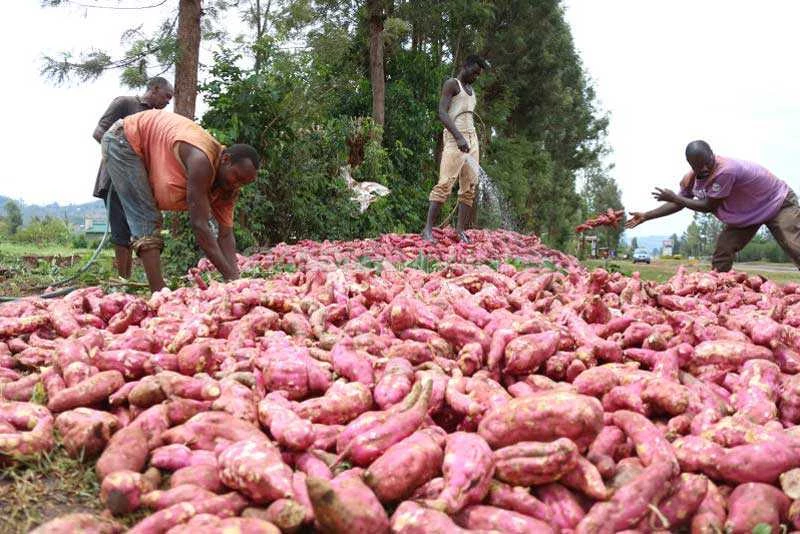
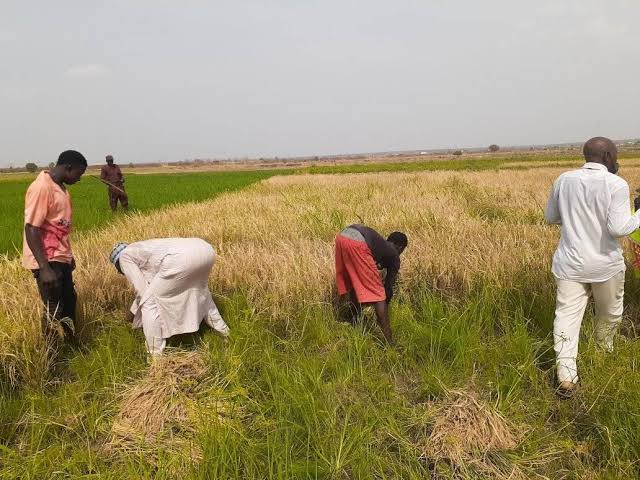
Dama said the waiver, which took effect in July 2024, caused a significant drop in demand for locally grown paddy rice. He said many farmers are unable to sell their harvests, and millers are shutting down because they cannot compete with cheaper, duty-free imports.
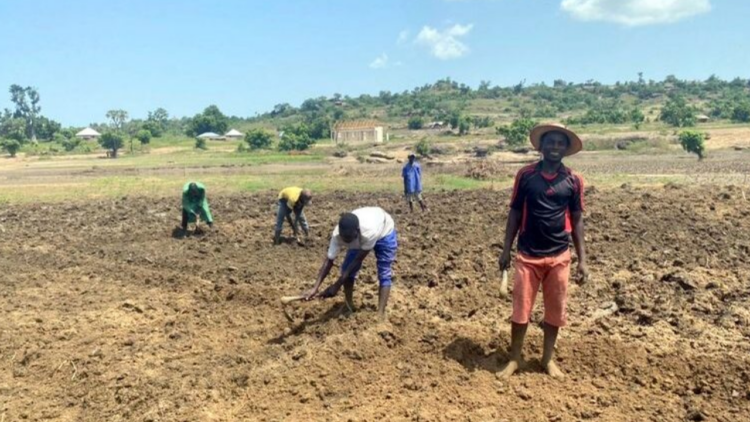
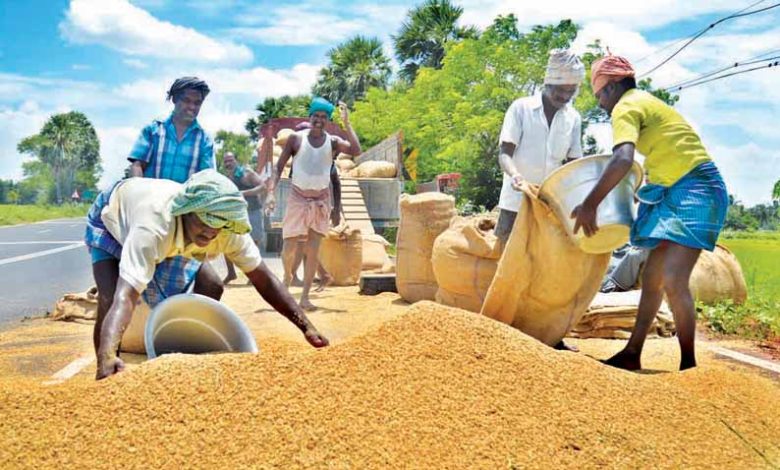
“Many local mills have scaled down or completely shut operations. This has led to rural job losses across rice-producing states like Kebbi, Kano, Ebonyi, Plateau, Nasarawa, Jigawa, Ekiti, Benue, Akwa Ibom, and Adamawa, among others,” Dama stated. “Youth employment and female-led processing clusters were decimated, reversing years of economic inclusion efforts.”
The group said the waiver continues to reduce production, discourage future planting, and weaken the sector. Dama also noted that smuggling is worsening the crisis.
“Massive inflows of smuggled rice — often substandard and unregulated — continue to saturate Nigerian markets through porous borders,” he said. “This not only undermines legitimate processors and millers, but also poses serious threats to public health and food safety.”
He added that smuggling is strengthening criminal networks and discouraging farmers and businesses.
“As we approach the 2027 elections, this decline in the rice industry could pose significant threats to national security and political stability,” he warned. “The loss of jobs, income, and productive opportunities for rural youth may lead to widespread unrest in agricultural regions, increased rural-urban migration, overstretched urban resources, and growing public disillusionment with government policies.”
CARF-FSD Nigeria called on the federal government to end selective import waivers on rice and related products. The group said all trade incentives should be transparent, time-bound, and equally applied.
“Rice must be reaffirmed as a protected strategic crop. Policy consistency is key to protecting over five million livelihoods tied directly to this value chain,” Dama said.
The group also urged stronger Customs enforcement against smuggling and the creation of border enforcement units.
It proposed a national rice buffer stock system and offtake mechanism to help manage prices during harvest seasons. The group also called for better support for paddy farmers through affordable inputs, mechanization, irrigation, and accessible financing.
“This is not just about rice — it’s about national economic resilience and social stability,” Dama added.