The annual rainy season in Nigeria, typically spanning from April to October, brought catastrophic floods to several states, including Jigawa, from July to August 2024. These floods devastated communities across the country, causing widespread destruction to infrastructure, crops, and homes, and displacing many households. The situation was worsened by climate variability and human-induced factors, such as deforestation, which exacerbated the impact of the seasonal rains.
Flooding is a recurring environmental disaster in Jigawa State, particularly affecting communities along the River Hadejia basin. According to a study published in the Dutse Journal of Pure and Applied Sciences in December 2021, areas such as Auyo, Kafin Hausa, and Miga have been hit by severe flooding due to the region’s geographical location on the northern bank of the Hadejia River. The report revealed that the frequency of floods has been increasing, with the most devastating years being 2012 and 2018, when floods occurred four times, causing severe damage to lives and property.
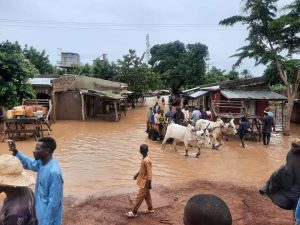
The 2024 flood season impacted 22 local government areas (LGAs) in Jigawa, affecting over 241,000 people across 39,779 households. This included 81,004 displaced persons. The damages were extensive, with 32% of homes completely destroyed, 28% requiring repairs to remain habitable, and another 24% partially damaged. Crop farming, the primary source of livelihood for many, was severely disrupted, exacerbating the already difficult situation.
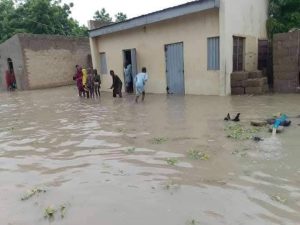
The flooding in Jigawa is primarily caused by seasonal overflow from the River Hadejia, which splits into three channels flowing into Nguru Lake. A combination of extreme weather conditions and poor infrastructure has contributed to the continuous cycle of floods. In 2018, a massive flood, compounded by wind and rainstorms, claimed the lives of at least 30 people and destroyed over 68,000 hectares of farmland. Hundreds of communities in the River basin, including those in the Jahun, Miga, Auyo, Kafin Hausa, Guri, and Hadejia LGAs, were severely affected.
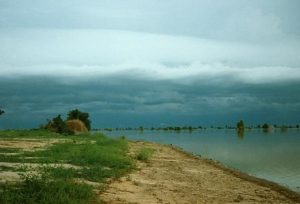
The Nigeria Hydrological Services Agency (NIHSA) has consistently highlighted the flood risks in Jigawa, along with other states. The agency’s 2023 Annual Flood Outlook (AFO) forecasted that the state would experience significant flooding, with high impacts on the population, agriculture, infrastructure, and the environment. Despite these warnings, residents in many flood-prone areas have remained reluctant to heed early warnings, largely due to cultural ties to their ancestral lands and a lack of viable resettlement options.
NEMA Calls for Adherence to Early Warnings
National Emergency Management Agency (NEMA) Coordinator for the Kano/Jigawa Territorial Office, Dr. Nurudeen Abdullahi, emphasized the importance of adhering to early flood warnings. Abdullahi explained that although the agency provides guidance and mitigation plans, enforcement of evacuation orders falls under the jurisdiction of state authorities.
He said, “People don’t agree with early warning messages and advice. If you tell some people to leave because it’s low-lying land, they will refuse, saying their forefathers were born here. But when disaster strikes, it doesn’t care about your forefathers. It will strike you, and then you will be calling on the government.”
Environmentalists Advocate for Resettlement Programs
Speaking with Farmers Voice NG, environmentalists like Muhammad Sunusi Adamu, Founder of Jigawa Green Initiatives, blame the government for failing to provide resettlement programs for flood victims, arguing that without such measures, affected individuals are likely to return to the flood-prone areas once the waters subside. He stressed the emotional and cultural attachment to these areas, which often compels individuals to go back despite the risks.
“If there are no provisions for resettlement, people are most likely to return because this is where they have grown up, lived, and made a living,” Adamu explained. “Without relocation plans and support, they will keep coming back to these vulnerable areas.”
CITAD Responds with Sanitary Support and Sustainable Water Solution
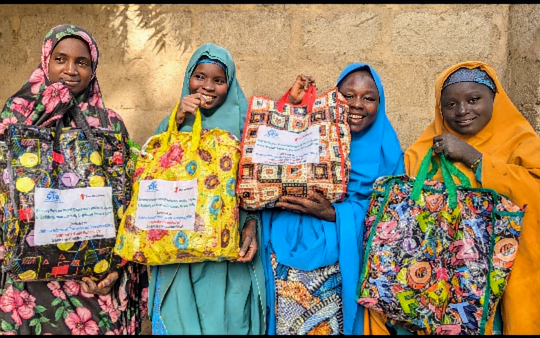
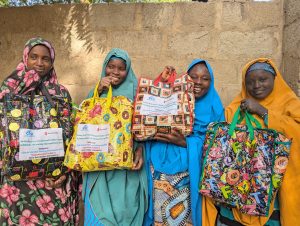
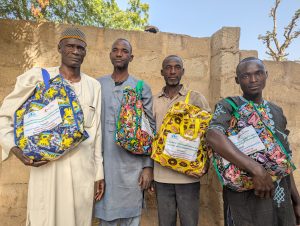
In response to the growing needs of the affected communities, the Centre for Information Technology and Development (CITAD), in collaboration with Save the Children International, distributed sanitary packs to 500 flood victims in Kafin Hausa Local Government Area and constructed a borehole in Chakwasam and Bulangu communities.
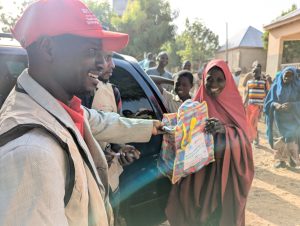
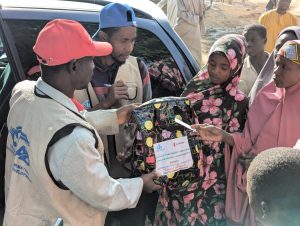
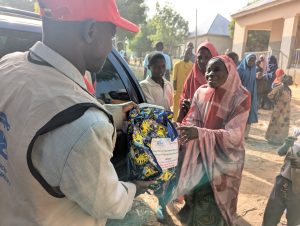
The distribution, which took place in the communities of Kaigamari, Chakwasam, and Bulangu, was part of CITAD’s Flood Rapid Response (FRR) project aimed at addressing the immediate hygiene needs of displaced families. In addition to the sanitary packs, the newly constructed boreholes in Chakwasam and Bulangu will provide a reliable source of clean water for the community, helping to prevent the spread of waterborne diseases that often follow such disasters.
The borehole, built with the help of local engineers and community members, ensures a continuous supply of water. This sustainable water solution is expected to significantly improve the community’s resilience against future flooding and water scarcity.
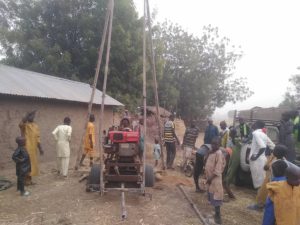
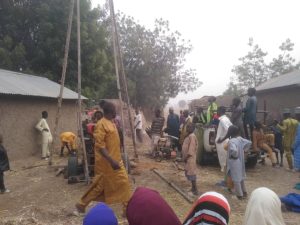
Mr. Isah Garba, who represents the Executive Director of CITAD, emphasized the importance of hygiene and sustainable water access in preventing disease outbreaks among flood victims. “These communities faced an unprecedented disaster in August, and as an organization committed to improving community resilience, we felt it was our responsibility to provide the necessary support,” Garba stated. “This intervention is just the beginning. We hope to see more efforts from all stakeholders to help these communities better prepare for future challenges.”
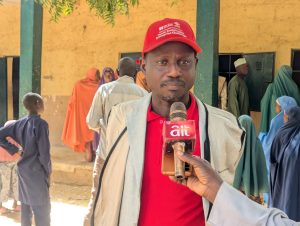
Community leaders voiced their appreciation for the intervention. Alhaji Ibrahim Suleiman Wamban Hadejia, the District Head of Bulangu, expressed relief, saying, “We lost so much in the flood—homes, farmlands, and essential household items. This support from CITAD and Save the Children International has brought a sense of relief to many of our people.”
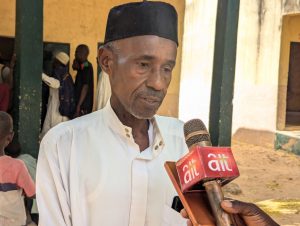
Similarly, Malam Adamu Idris, the Leader of Chakwasam, acknowledged the importance of hygiene and reliable water sources in safeguarding the health of affected families. “When disasters like this happen, the risk of waterborne diseases is always high,” he said. “These sanitary packs and the borehole will go a long way in protecting the health of our people, especially women and children.”
Residents Reflect on Their Struggles
Flood victims expressed their gratitude for the timely intervention. Aisha Ibrahim, a mother of five from Bulangu, shared her struggles, saying, “Since the flood, we’ve been struggling to keep our children healthy and clean. This support means a lot to us.”
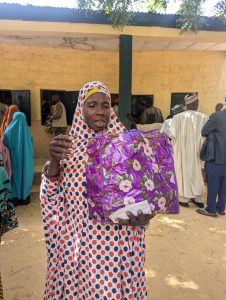
Malam Abdullahi Usman from Chakwasam echoed her sentiments, stating, “The flood destroyed everything we had, including basic supplies for hygiene. These items will help us maintain some dignity as we work to rebuild our lives.”
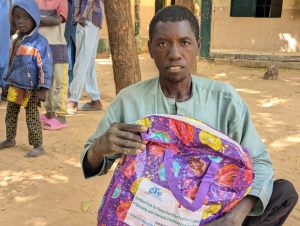
Shehu Muhammad from the Bulangu District Consultative Forum praised CITAD for its efforts, noting that the sanitary packs would help reduce health-related complications and disease outbreaks linked to poor hygiene.
A Call for Long-term Solutions
Communities in Jigawa State are facing challenges in recovering from recent flooding. Muhammad Sunusi Adamu has called for long-term solutions to address the causes of the recurring disaster. The floods, which have affected the region for over two decades, have led to significant loss of life, displacement, and the destruction of property.
Mr. Adamu stated, “The Jigawa State floods have killed thousands, displaced many, and destroyed property valued at millions of naira.” His remarks follow reports showing the scale of the destruction, particularly in Bulangu, where over 3,000 families were affected. Around 1,000 individuals were displaced, and large areas of farmland were submerged, disrupting livelihoods.
Sunusi has urged federal and state governments to address the long-term effects of flooding. “There is an urgent need for flood control measures, including proper drainage systems and early warning systems,” he said. “These measures aim not only to reduce the damage from floods but also to protect communities from future events.”
The floods have also stressed local infrastructure, healthcare, and education systems, leaving many vulnerable to the ongoing effects of seasonal flooding. “Unless structural changes are made to flood prevention strategies, communities in Jigawa and other flood-prone areas will continue to face the consequences of annual floods, often with little support to recover,” Adamu added.