Food Security Crisis: Expert Calls for Action on Climate-Driven Challenges

A Senior Advocate of Nigeria (SAN), Mohammed Ndarani, has called on Nigerians across all social classes to embrace farming as a means to ensure food security in the country.
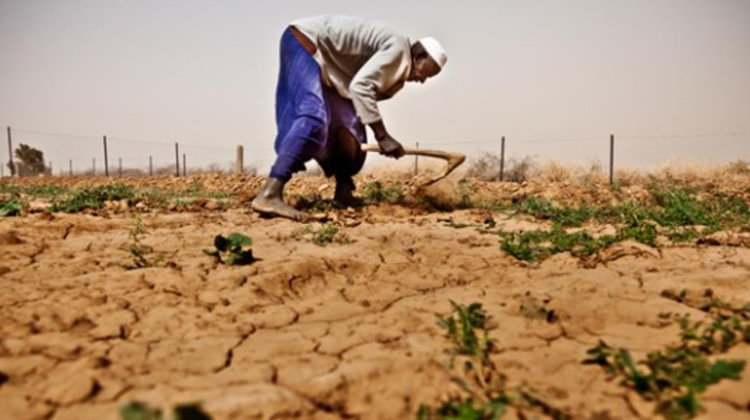
In an interview with the News Agency of Nigeria (NAN) on Saturday in Abuja, Ndarani expressed concern over a recent report indicating that no fewer than 26.5 million Nigerians experienced food insecurity in 2024 due to unpredictable farming seasons, flash floods, and prolonged droughts.
“While growing up, every family had farms, we were all farmers, going to the farm after coming back from school, and there was sufficient food in the country,” he said.
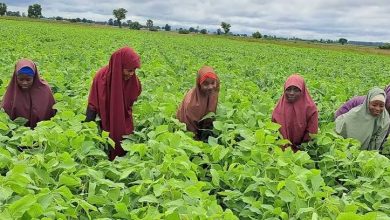
“I had part of my education abroad, but still went to the farm with my parents whenever I was in the country. We must go back to farming. Let the rich get involved in mechanized agriculture just like Governor Bago is doing in Niger state, while the smallholder farmers can farm even at their backyards.
“We must fight food insecurity from all angles. If every household has vegetables at their backyards, prices of vegetables will come down, and the same thing goes for other crops,” he added.
Ndarani praised President Bola Tinubu and Governor Umaru Bago of Niger State for establishing the Abdulsalami Abubakar University of Agriculture and Climate Action in Mokwa, describing it as a significant step toward addressing food security.
“The establishment of this university speaks to the vibrant vision of the farmer governor Bago, for education. It will serve the additional purpose of reducing, considerably, the rate of unemployment in the state. This it will do by the creation of diverse opportunities,” he said.
Ndarani highlighted the university’s potential to create both direct and indirect employment opportunities, including jobs for unskilled laborers who might otherwise be vulnerable to recruitment by terrorist groups.
“Being a specialized university, it will equip the students with marketable skills, especially in the area of climate action, a subject that is currently occupying the attention of the world,” he noted.
He urged the university’s management to ensure it contributes significantly to combating food insecurity not only in Niger State but across the country.
“Nigerians are expecting it to attract businesses, especially in research and technology, with the additional advantage of serving as a hub that can foster innovation and entrepreneurship, often through research and startup incubators,” he said.
Ndarani also called for Nigerian universities to prioritize research into climate-resilient crops, improved water management systems, and sustainable farming practices.
“We expect our agriculture institutions across the country to come up with innovations that will address the effect of climate change. Climate change is a variable to consider in any discussion or project that involves enhancing agricultural productivity and, by extension, food security,” he said.
He expressed hope that the university would design effective methods to combat climate change and mitigate its effects on agriculture, thereby unlocking economic growth in Mokwa and beyond.
“We expect that these and other untapped potentials will catalyze the economic growth and development of Mokwa in particular and the state in general,” Ndarani concluded.
(NAN)