340 Kano Youth Begin Training in Horticulture, Livestock for Sustainable Jobs

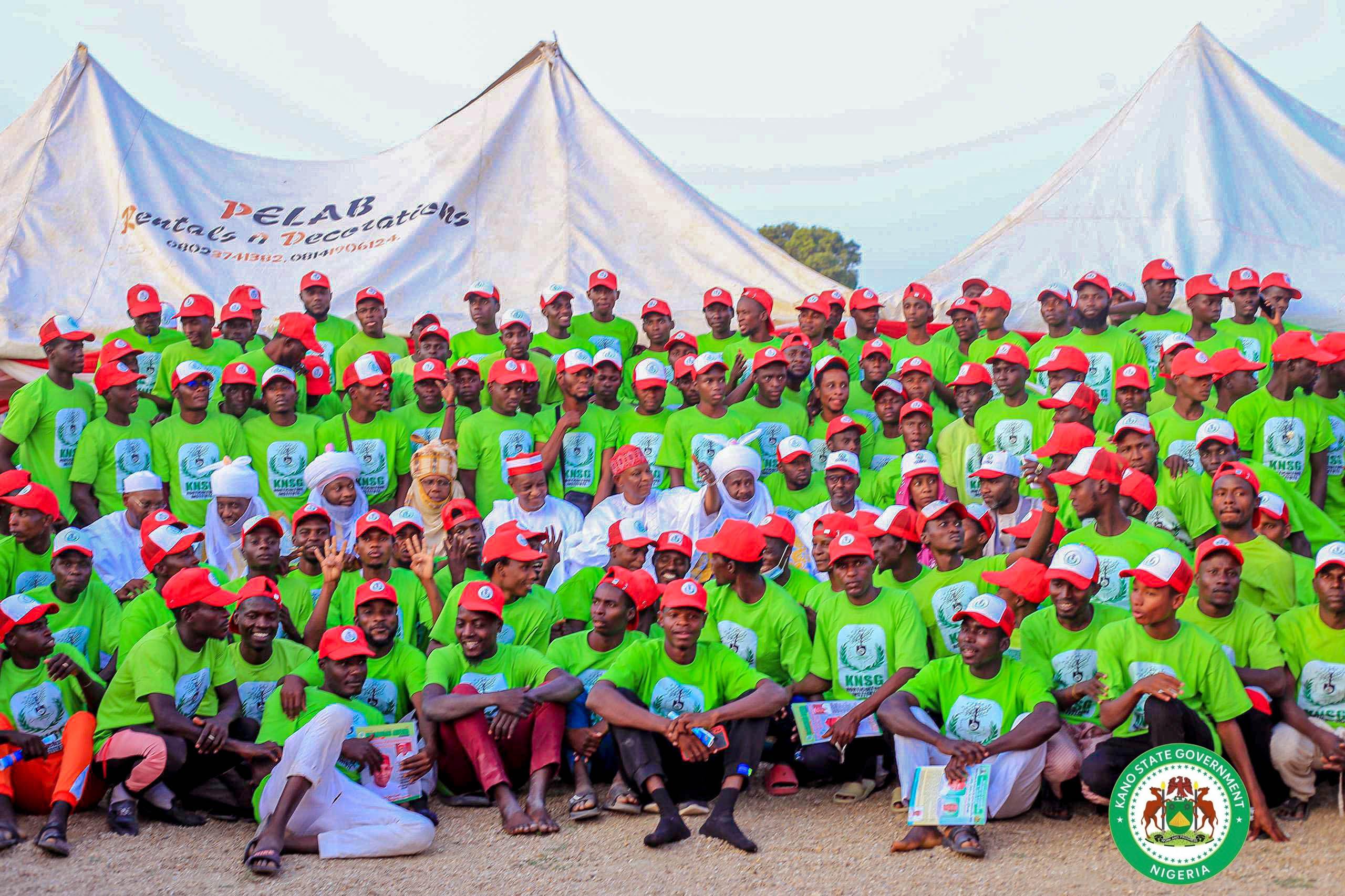
In a move to tackle youth unemployment and strengthen Kano’s agricultural economy, Governor Abba Kabir Yusuf has reopened the state’s Horticulture and Livestock institutes, presenting admission letters to 340 students for agricultural training.
The reopening event at the Bagauda premises in Bebeji Local Government Area focuses on practical training aimed at equipping young people with agricultural skills.
The governor’s spokesperson, Sunusi Bature Dawakin Tofa, released a statement on Saturday highlighting the program as a step toward addressing the state’s unemployment rate and promoting livelihoods through agriculture.
“These institutions provide pathways to employment and personal growth,” Yusuf said. “They transform young people from job seekers into skilled individuals who can support their families and communities.”
The Horticulture Institute will train students in environmental beautification and maintenance, while also offering income-generating skills in horticulture.
Governor Yusuf noted that horticulture skills contribute not only to income but also to the community’s environmental health, with graduates positioned to enhance their surroundings.
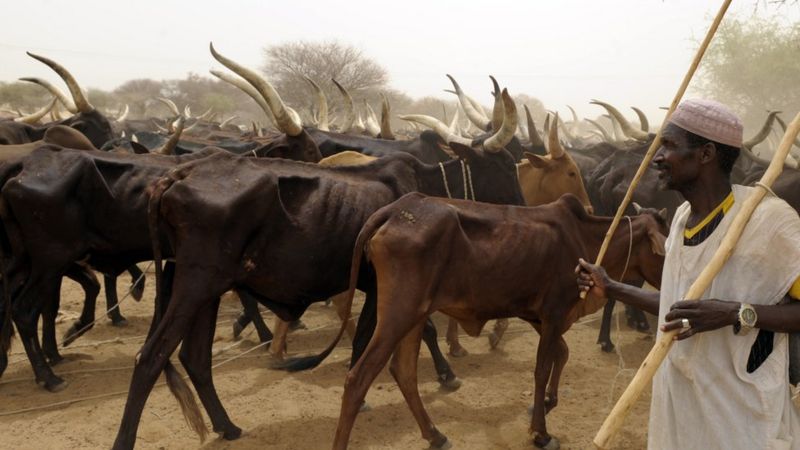
Meanwhile, the Livestock Institute will train 140 students in animal husbandry, ram fattening, and meat quality improvement, allowing them to contribute to Kano’s agricultural economy, food security, and meat production.
“Their work will elevate the local economy and contribute to Kano’s agricultural sector,” Governor Yusuf said.
The governor encouraged the students to fully embrace this opportunity, sharing the success story of a former graduate recognized for excellence in dairy production.
“These institutes can lead to economic independence,” he added, emphasizing his administration’s commitment to creating growth avenues for young people.
Reflecting on the closure of the institutes under the previous administration, Governor Yusuf voiced disappointment over the missed opportunity for youth development.
He assured that his administration is dedicated to reversing setbacks by providing modern infrastructure, including accommodations, reliable water supply, and solar energy, to support the students’ training.
Nazifi Ahmad Gera, a newly admitted student, expressed optimism about the program’s impact on their futures.