Floods Affected 5.2 Million Nigerians in 2024 — NEMA Warns of Worse Impacts if Action Is Not Taken

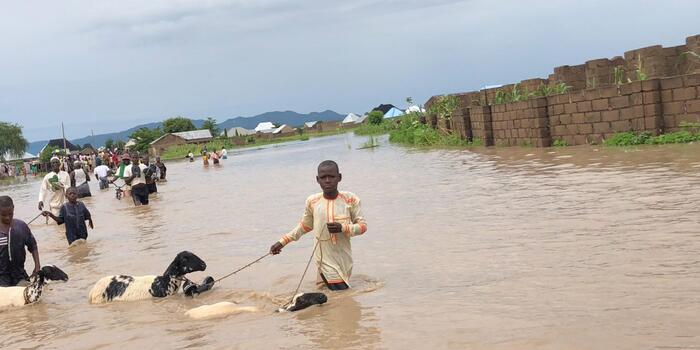
No fewer than 5,264,097 Nigerians were affected by floods in 2024, with 1,243,638 displaced and 1,237 lives lost, according to the National Emergency Management Agency (NEMA).
The figures were shared on Tuesday by NEMA’s Director-General, Zubaida Umar, during a stakeholders’ meeting on disaster preparedness for 2025 in Owerri, Imo State.
Represented by the agency’s Head of Partnership and Collaboration, Evan Niko, Umar also revealed that the floods left 16,469 people injured and destroyed over 1.4 million hectares of farmland.
Warning of similar or worse impacts this year, she said: “NEMA has developed climate-related risk implications, preparedness, mitigation and response actions to reduce the impacts of the 2025 floods, based on the forecasts from the Nigerian Meteorological Agency (NiMet) and the Nigeria Hydrological Services Agency (NIHSA).”
Speaking under the theme, “Strengthening Resilience, Enhancing Preparedness and Response,” the NEMA official called for more grassroots engagement to improve community-level preparedness. “Today’s exercise is to remind all stakeholders of their responsibilities and the urgency of taking concrete steps to protect lives and livelihoods,” she added.
As Nigeria faces increasingly intense natural disasters due to climate change, experts have called for better coordination between agencies and earlier sensitization of communities.
NEMA’s Principal Relief Officer, Michael Ajide, described Imo State as “one of the high-risk states for flooding,” noting that Oguta and Ohaji-Egbema LGAs are particularly vulnerable. He urged governments at all levels to “prioritise investment in drainage systems and dam infrastructure to promote flood-resilient development, especially in riverine communities.”
Also speaking, NEMA’s Head of Operations for Abia and Imo, Nnamdi Igwe, recommended “the use of remote sensing technology in flood mapping, rehabilitation of existing drainage networks, and the strengthening of community liaison desks.”
Ekene Ahaneku, a healthcare officer with the Nigerian Red Cross Society, echoed the need for stronger collaboration: “There should be increased collaboration with state emergency management agencies to decentralise relief efforts and improve response efficiency.”