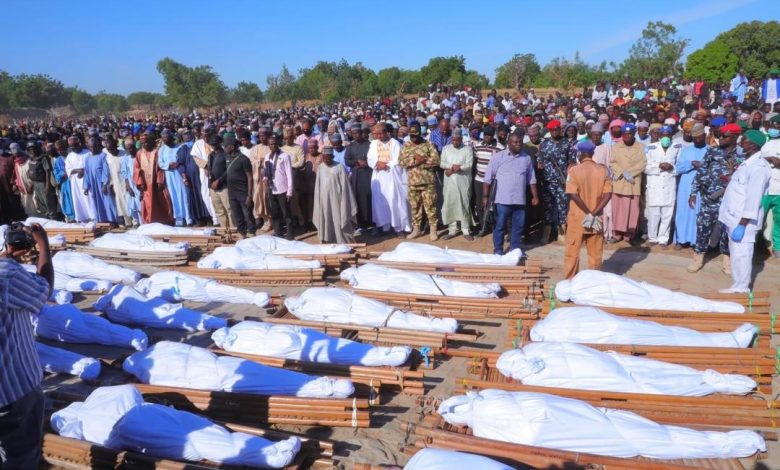
At least 23 farmers and fishermen were killed on Thursday morning in Malam Karanti, a village near Baga in Kukawa Local Government Area of Borno State. The attack was reportedly carried out by fighters from the Islamic State West Africa Province (ISWAP), a breakaway faction of Boko Haram, which controls the area.
The incident was first reported by counter-insurgency expert Zagazola Makama on X (formerly Twitter) and confirmed by local sources who spoke to Kano Times on Saturday.
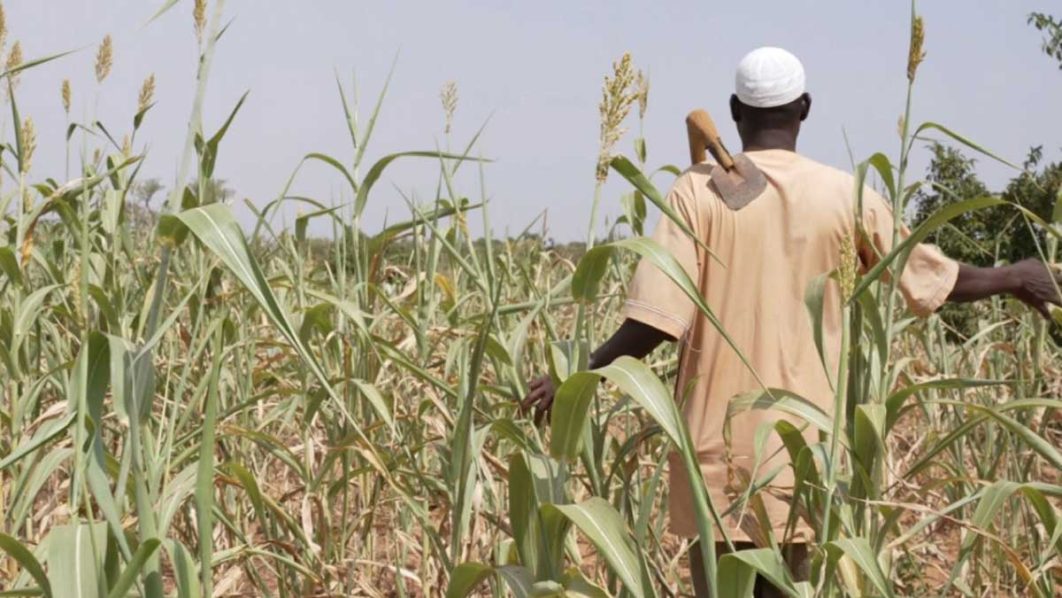
Most of the victims were beans farmers from Gwoza who had previously negotiated with a Boko Haram faction to farm and fish in insurgent-controlled areas in exchange for periodic levies. However, Malam Karanti falls under ISWAP control, which opposes such arrangements.
“The terrorists stormed Malam Karanti around 9:00 a.m., gathered the farmers and fishermen, and executed 23 of them on the spot,” a local vigilante source told Makama. “They accused them of collaborating with Boko Haram fighters and defying ISWAP’s territorial control. Only one elderly man was spared, and he was the one who raised the alarm after returning to the community.”
Attempts by locals to retrieve the bodies were stopped when the insurgents returned and opened fire, forcing them to retreat.
This attack recalls a similar incident in January this year when at least 40 farmers were killed in Dumba community, also in Borno State. Governor Babagana Umara Zulum attributed that attack to militants from Boko Haram and ISWAP factions. The January massacre and Thursday’s killings show the ongoing violence faced by civilians in the region.
Boko Haram, Nigeria’s homegrown jihadist group, took up arms in 2009, opposing Western education and aiming to impose a radical version of Islamic law. The insurgency, now Africa’s longest-running militant conflict, has spread beyond Nigeria’s borders into neighboring countries. The United Nations estimates that the violence has claimed some 35,000 lives and displaced over 2 million people in northeastern Nigeria.
The 2014 abduction of 276 schoolgirls from Chibok village in Borno drew global condemnation and highlighted the severity of the crisis.
A local government official, speaking anonymously due to security concerns, said, “Unfortunately, some locals continue to trust the terrorists, believing that paying levies or cooperating will protect them. But history has shown that these groups turn against them at the slightest suspicion or territorial dispute.”
Governor Zulum has warned residents in insurgent-affected areas against entering into deals with militants, saying such arrangements only empower these groups and place civilians at greater risk.
Malam Karanti, about 60 kilometers from Baga, remains an ISWAP stronghold. Despite the dangers, residents continue to risk entering the area in search of food and livelihood amid worsening food insecurity and economic hardship in the region.