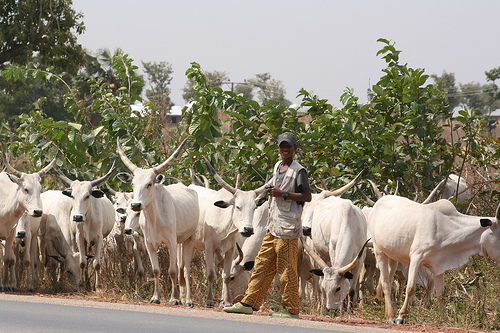
Stakeholders in Nigeria’s livestock sector have called for increased investment in pasture development and the rehabilitation of grazing reserves, saying this is necessary to address fodder shortages and mitigate conflicts between farmers and herders.
The call was made on Tuesday in Abuja during a workshop to review and validate the draft National Animal Feed Policy Document.
Professor Ari Maikano, President of the Nigerian Food and Fodder Multi-Sector Platform, described the current state of fodder across the country, noting variations in availability between regions. He said areas with high fodder production exist alongside zones where demand exceeds supply.
He said some countries had imported fodder from Nigeria in the past, adding that the sector has untapped potential for trade and business partnerships.
Maikano emphasised the need to reduce dependence on government funding and push for more private sector involvement. According to him, while feed has received policy attention in recent years, fodder remains a critical but neglected component of the livestock production system.
He also pointed to the link between fodder scarcity and recurring tensions between farmers and pastoralists, arguing that better management of feed resources could help reduce such conflicts.
Ali, another stakeholder at the meeting, said the aim of the workshop was to gather feedback and consolidate views on the draft policy to ensure it reflects the priorities of those working in the sector. He also noted that private sector participation is a key focus of the proposed policy.
In his remarks, the Minister of Livestock Development, Idi Maiha, said the livestock sector plays a key role in national food supply, rural employment, and economic activity. He acknowledged the ongoing challenges, including limited availability of feed and fodder, poor regulation, and low private sector involvement.
According to him, these issues have affected productivity and growth in the sector. He said the draft policy outlines measures to address these problems, such as improving feed quality, encouraging investment, supporting research, and strengthening coordination among stakeholders.
Maiha said the Ministry plans to expand the national livestock population and considers a structured feed and fodder policy to be a necessary step toward achieving that goal.
(NAN)