The Livestock Productivity and Resilience Support Project (L-PRES) has begun engaging stakeholders on a sustainability plan for livestock infrastructure built in 20 states.
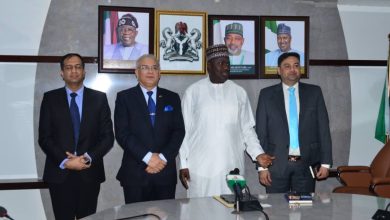
At a workshop held Wednesday in Abuja, Dr. Sanusi Abubakar, National Project Coordinator of L-PRES, said the initiative was a response to concerns about the abandonment of development projects after the exit of funding partners.
“The workshop seeks to address common challenges such as poor maintenance, underutilisation, and the frequent abandonment of donor-funded infrastructure projects in Nigeria,” he said.
He said the gathering, which brought together stakeholders from both the public and private sectors, was meant “to deliberate on strategies for ensuring the long-term sustainability, optimal use, and effective maintenance of critical livestock infrastructure after the project’s conclusion.”
Abubakar explained that the aim was to draft “a comprehensive and actionable sustainability plan that would serve as an effective exit strategy for L-PRES,” adding that the plan should ensure the continued use and relevance of the project’s investments.
He listed the project’s infrastructure as including veterinary hospitals, diagnostic labs, solar-powered cold storage units, and abattoirs. According to him, these were designed “to strengthen animal health delivery systems, improve food safety and security, protect public health, and stimulate economic development.”
On private sector involvement, he said the workshop would “promote private sector involvement in animal health services and encourage community participation in safeguarding livestock infrastructure.”
Dr. Chidozie Anyiro, World Bank Co-Task Team Leader for L-PRES, placed the value of livestock infrastructure under the project at over \$200 million.
“Effective management and long-term functionality of livestock infrastructure are critical to achieving sustainability, enhancing efficiency, improving animal welfare, and increasing livestock production,” he said.
He noted that failure to ensure proper management after project closure could undermine the goals of the investment.
“By exploring best practices, innovative solutions, and addressing prevailing challenges, we can collectively improve the performance and longevity of livestock infrastructure in Nigeria,” he added.