Kano State recently hosted a workshop organized by the Livestock Productivity and Resilience Support Project (L-PRES) to address livestock production, commercialization, and resilience challenges in the state.
Supported by the World Bank, the L-PRES project gathered stakeholders to discuss key issues in the livestock sector.
The workshop, held on Saturday in Kano, included remarks from Dr. Salisu M. Inuwa, the State Project Coordinator for L-PRES and Director of Veterinary Services at the Ministry of Agriculture.
Represented by Dr. Ahmad Abubakar, the project’s Monitoring and Evaluation Specialist, Dr. Inuwa discussed the project’s focus on production, processing, and marketing of livestock such as sheep, goats, cattle, and poultry.
Dr. Abubakar stated that the Kano State government, through Agriculture Commissioner Dr. Danjuma Mahmud, has outlined activities within this six-year project to boost livestock productivity.
“We aim to improve livestock output by providing training for extension officers, livestock development officers, veterinary, and animal health officers across the state,” he said.
As part of the project, L-PRES will upgrade veterinary facilities and construct new hospitals to improve access to animal health services.
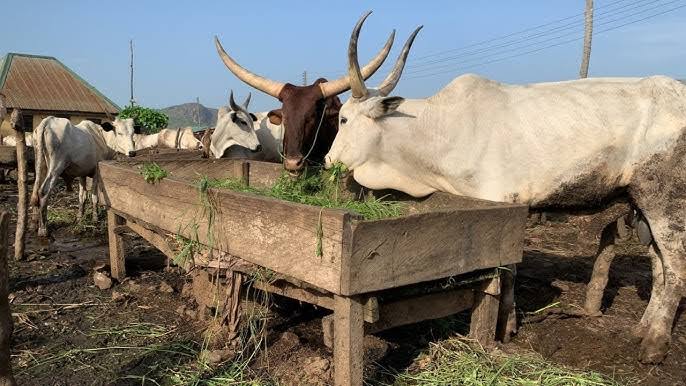
The program engaged individuals from various livestock production groups, including pastoralist and Fulani communities from all 44 local government areas.
Representatives from Fulani associations, such as Miyetti Allah and Gamdakatar Fulani Association, and stakeholders from the meat processing sector, including leaders from the Butchers Association, also participated.
The workshop provided information on L-PRES operational guidelines and conducted a Needs Assessment to identify challenges in the livestock sector.
“We are taking a bottom-up approach, conducting a Needs Assessment to understand the sector’s challenges and areas requiring intervention,” said Dr. Abubakar.
The state government plans to develop additional poultry processing centers, establish live bird units, and upgrade existing centers in Sabongari, Tarauni, and Janguza markets. There are also plans to revitalize livestock markets, including those in Wudil and Dambata.
The project will identify stock routes and grazing reserves across Kano’s 44 local government areas and install water points for livestock.
Participants recognized the sector’s challenges and noted that L-PRES could help address these issues to support Kano’s livestock industry.