The Drying Lifeline: How Climate Change is Shrinking Kano’s Irrigation Canals and Destroying Livelihoods

By Salim Sani Shehu
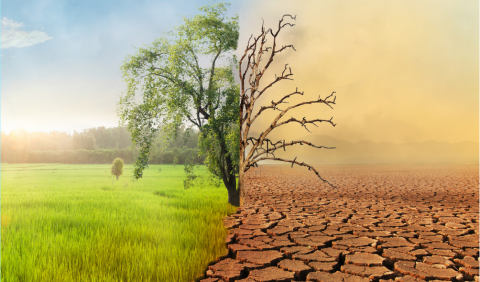
For decades, the Hadejia-Jama’are River Basin has been the agricultural heartbeat of northern Nigeria, transforming arid lands into fertile fields through an intricate network of irrigation canals. Today, this lifeline is under siege. Climate change, erratic rainfall, rising temperatures, and upstream water diversions are converging to shrink these vital waterways. The result: parched canals, failing crops, and communities teetering on the brink of collapse.
The Vanishing Canals
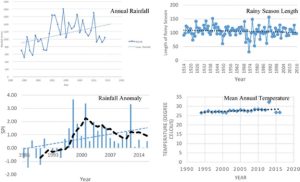
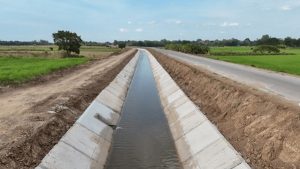
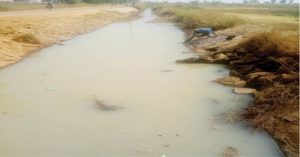
Once robust, the irrigation canals fed by the Hadejia-Jama’are River now often lie dry. Data indicates a significant decline in river discharge over the past two decades, attributed to reduced rainfall and prolonged droughts. This has severely impacted traditional fadama farming, which relies on seasonal flooding.
“Twenty years ago, the water flowed so strongly, we had to build barriers,” recalls Mallam Musa Garba, a 65-year-old farmer from Bunkure. “Now, we dig with our hands and still find nothing.”
Farmers on the Brink
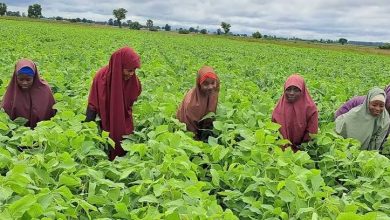
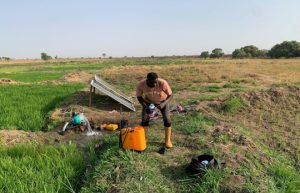
The drying canals have devastated local agriculture. Farmers report a drastic reduction in crop yields, forcing many to abandon diverse farming for subsistence-level cultivation. The economic strain has led to rising debts and a surge in rural-to-urban migration, as families seek alternative livelihoods.
“We used to plant rice, wheat, and vegetables year-round,” says Hadiza Bala, a mother of five. “Now, the canals are empty, and our crops fail.”
Upstream Pressures & Competing Demands
The construction of upstream dams, notably the Tiga and Challawa dams, has significantly reduced downstream water flow. These projects, while supporting urban water needs, have inadvertently strained agricultural communities downstream. The competition for dwindling water resources has also intensified conflicts between farmers, herders, and urban populations.
Climate Change’s Role
Scientific analyses reveal that rising temperatures and unpredictable rainfall patterns are altering the basin’s hydrology. The Nigerian Meteorological Agency reports an increase of nearly 1.5°C in northern Nigeria’s average annual temperature since the 1980s. Projections suggest a continued decline in water availability, posing severe risks to agriculture and food security.
Failed Adaptations & Fading Hope
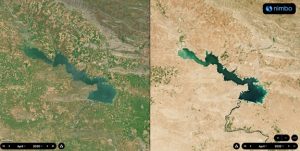
Efforts to mitigate the crisis, including government and NGO interventions like boreholes and “climate-smart” agriculture, have fallen short. Farmers have attempted innovations such as shallow wells and drought-resistant crops, but these measures offer limited relief. The human cost is evident in rising malnutrition, child labor, and the erosion of cultural heritage as farming communities disintegrate.
The Hadejia-Jama’are River Basin, once a symbol of agricultural prosperity, now stands as a testament to the devastating impacts of climate change and mismanaged resources. Without immediate and coordinated action to restore water flows and support farmers, Kano’s agricultural heartland faces an uncertain future.