Zulaihat Sani Haruna
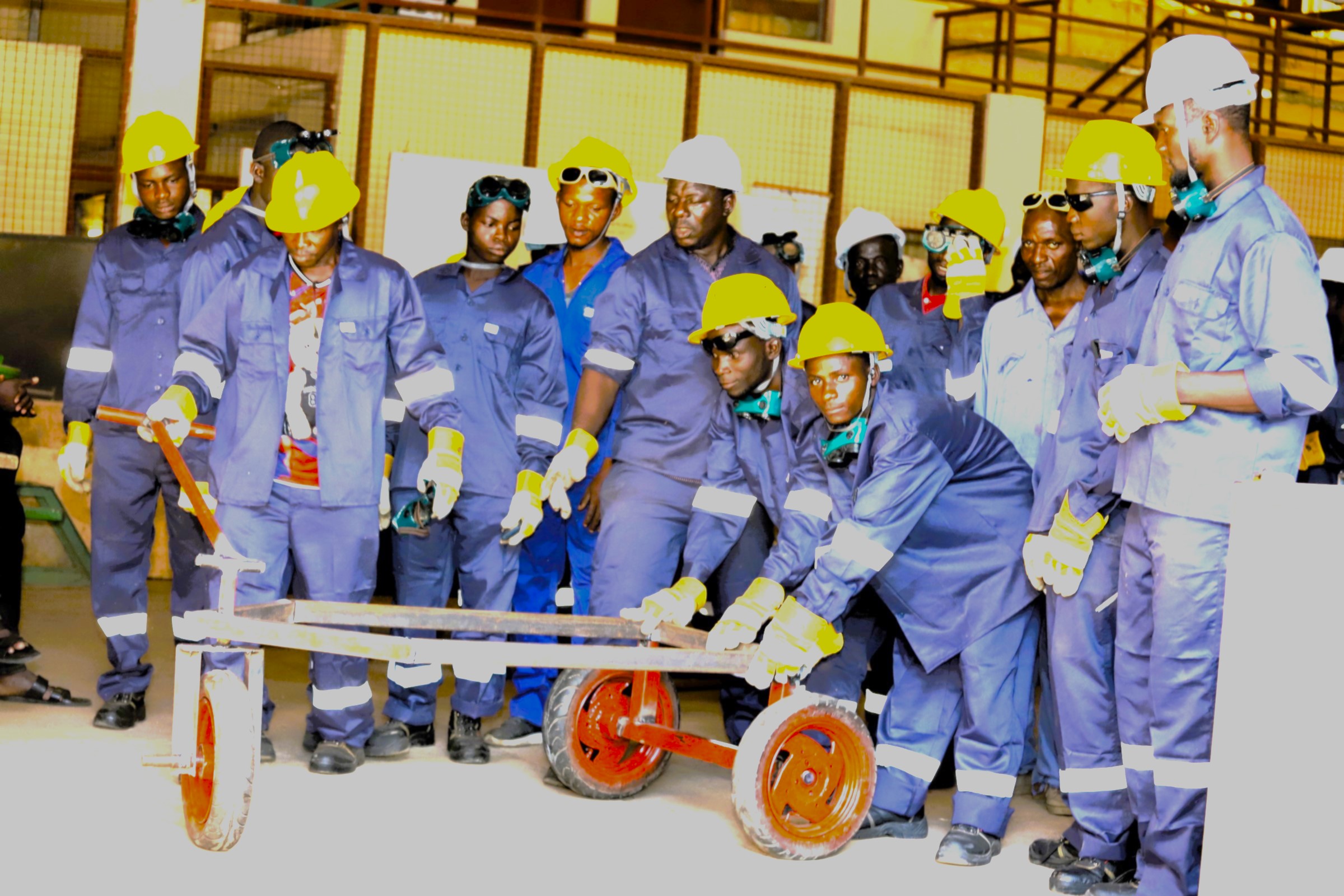
The Federal College of Agricultural Produce Technology (FCAPT), Kano, says it has trained 1,409 youths from across Nigeria in areas such as modern farming, processing, storage, and preservation.
The Provost of the college, Dr. Muhammad Yusha’u Gwaram, told journalists in Kano that the training aims to equip participants with skills they can use to either start working for themselves or take up jobs.
He said companies often reach out to the college in search of top-performing graduates.
Dr. Gwaram said the college currently runs 19 academic programs that meet the requirements of the National Board for Technical Education (NBTE), and that its staff includes 13 PhD holders and 33 with master’s degrees.
“FCAPT runs 19 fully accredited academic programs aligned with the National Board for Technical Education (NBTE) standards in the last five years,” he said.
He added that staff training has also been prioritised: “We have supported many of our staff in pursuing higher education. Many have completed their PhDs and Master’s programs, while others are at various stages of completion.”
Dr. Gwaram also spoke about a new business launched by the college under the Agricultural Research Council of Nigeria (ARCN) Act. According to him, the company will produce tomato paste, quick meals, and kunnun tsamiya, a local drink.
He said the company is registered with NAFDAC, the Corporate Affairs Commission (CAC), and the Standards Organization of Nigeria (SON), and will soon begin selling its products across the country.
“To support production, the college has acquired state-of-the-art equipment including: A fluidized bed dryer, A precision multipurpose carbinate dryer and An automated granules and powdered packaging machine,” he said.
“Once fully operational, the company will also serve as a training and employment ground for our students, giving them practical industry exposure.”
Dr. Gwaram listed organizations the college has worked with, including GIZ, Indorama Fertilizer, UNESCO, the International Potato Center, Self Help Africa, the Industrial Training Fund (ITF), NBTE, and the Center for Community Development and Research.
He also said faculty and staff have attended various seminars, conferences, and workshops to build their knowledge.