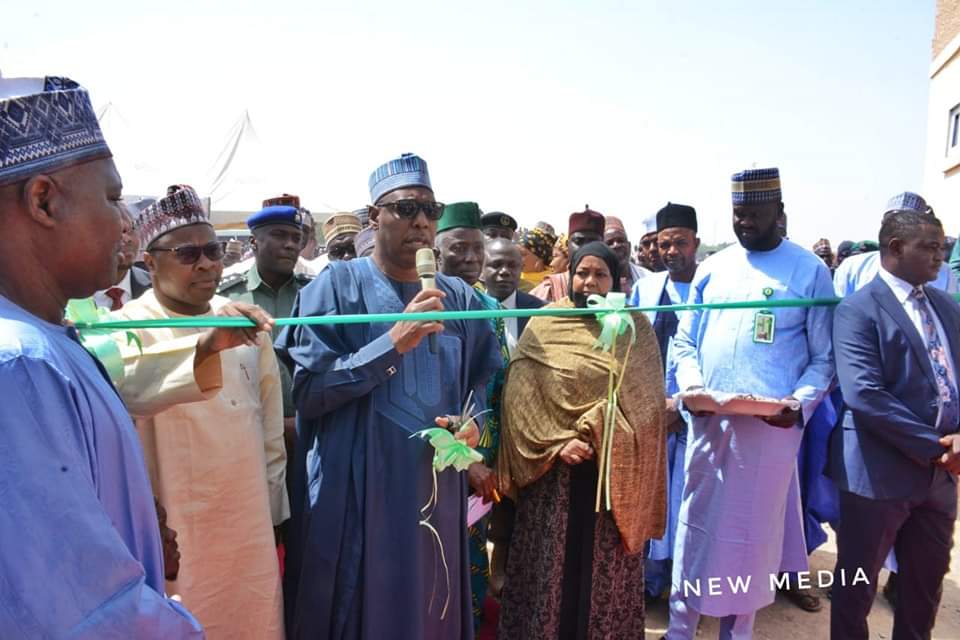
The Federal Government has expressed concern over the low level of milk consumption in the country, describing the situation as disturbing and economically unsustainable.
Minister of Livestock Development, Idi Mukhtar Maiha, made the remarks in Abuja on Saturday during an event to mark the 2025 World Milk Day.
World Milk Day, celebrated every June 1st, was initiated by the United Nations’ Food and Agriculture Organization (FAO) in 2001 to highlight the importance of milk in nutrition, agriculture, and economic development.
Speaking at the event, Minister Maiha noted that although Nigeria consumes about 1.7 million metric tonnes of milk annually, only around 600,000 metric tonnes are produced locally — barely 35 percent of national demand.
“The remaining 65 percent, valued at over \$1.5 billion, is imported — mostly in powdered form,” he said. “This overreliance on imports is weakening our economy, depleting foreign reserves, and stifling the growth of our local dairy industry.”
Maiha also pointed out that the rate of milk consumption among Nigerians falls far below international standards.
“While the World Health Organization recommends at least 10 litres of milk per person annually, Nigerians consume just 8.7 litres on average — far behind the African average of 40 litres per person,” he said.
He attributed part of the problem to low milk yields from local cattle breeds, which typically produce just 1 to 2 litres per day. In contrast, exotic breeds such as Friesians and Jerseys can produce up to 30 litres daily under proper management.
Citing global examples, the minister noted that India, the world’s largest milk producer, generates over 200 million tonnes annually, largely through smallholder farmers empowered by investments in veterinary care and improved breeding technologies.
“Even here on the continent, South Africa processes over 3 billion litres of milk every year. These examples show what’s possible if we invest in the right infrastructure and support our farmers,” he added.