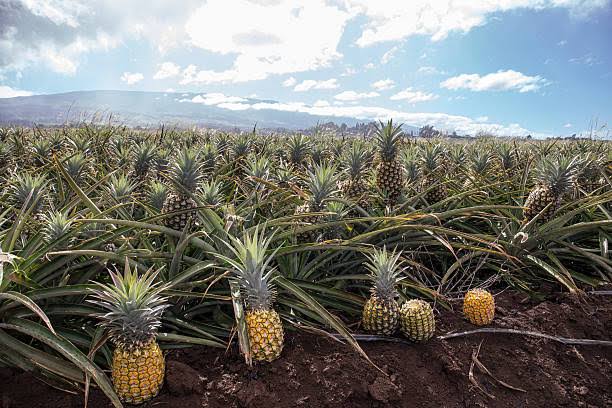
Ambassador Segun Alabi, CEO of Davidorlah Nigeria Limited and founder of Davidorlah Farm, has allocated pineapple farms to 200 farmers in the Ago-Iwoye area of Ijebu, Ogun State. This allocation aims to boost agricultural productivity and self-sufficiency in Nigeria.
At the ceremony, Alabi announced the establishment of Africa’s largest pineapple farm, covering over 1,000 hectares.
“Today, we are allocating pineapple farms to 200 farmers who invested in our estate over the past months. This demonstrates the tangible results of their commitment and belief in our vision,” he stated.
He noted the extensive potential of the pineapple farming value chain, which includes applications in biofuel, renewable energy, and products like clothing and shoes.
“Our dream is to make Nigeria a top exporter of pineapples. Currently, Nigeria ranks as the 8th largest pineapple producer globally, yet we still import pineapples. Our goal is to make Davidorlah the largest pineapple exporter in the world, with a target of empowering 5,000 farmers within the next five years,” he explained.
Alabi also pointed out the importance of government support in fostering agricultural ventures. “For agriculture to thrive, we need peace, security, and government assistance in the form of grants or loans,” he added.
He urged collaboration with government agencies, NGOs, and international organizations like the World Bank to further support these efforts.
Alabi encouraged Nigerian youths to contribute to the nation’s development instead of seeking opportunities abroad. “Those developed countries people are running to were built by their own people. If we are determined, we can make Nigeria great,” he said.
The allocation of these farms marks a step toward changing Nigeria’s agricultural landscape and increasing the country’s role in global pineapple production and exportation.
He clarified that while the farms belong to the buyers, the company will manage the plantation and sales processes. A percentage of the profits from sales will be returned to the buyers, and after five years, farm owners may sell their farms.
The event also featured the distribution of certificates of occupancy and other legal documents to the buyers, formalizing their ownership.